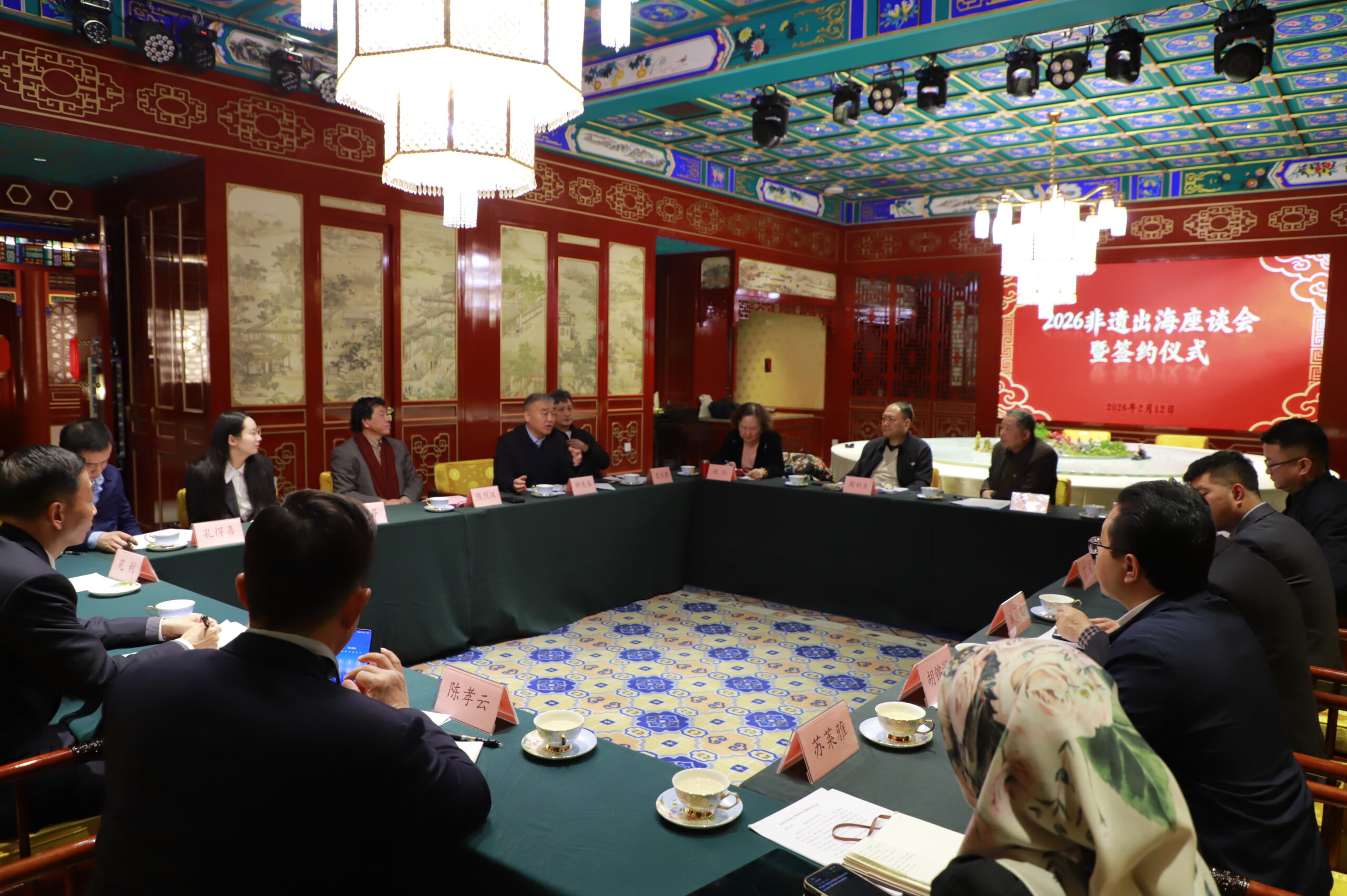
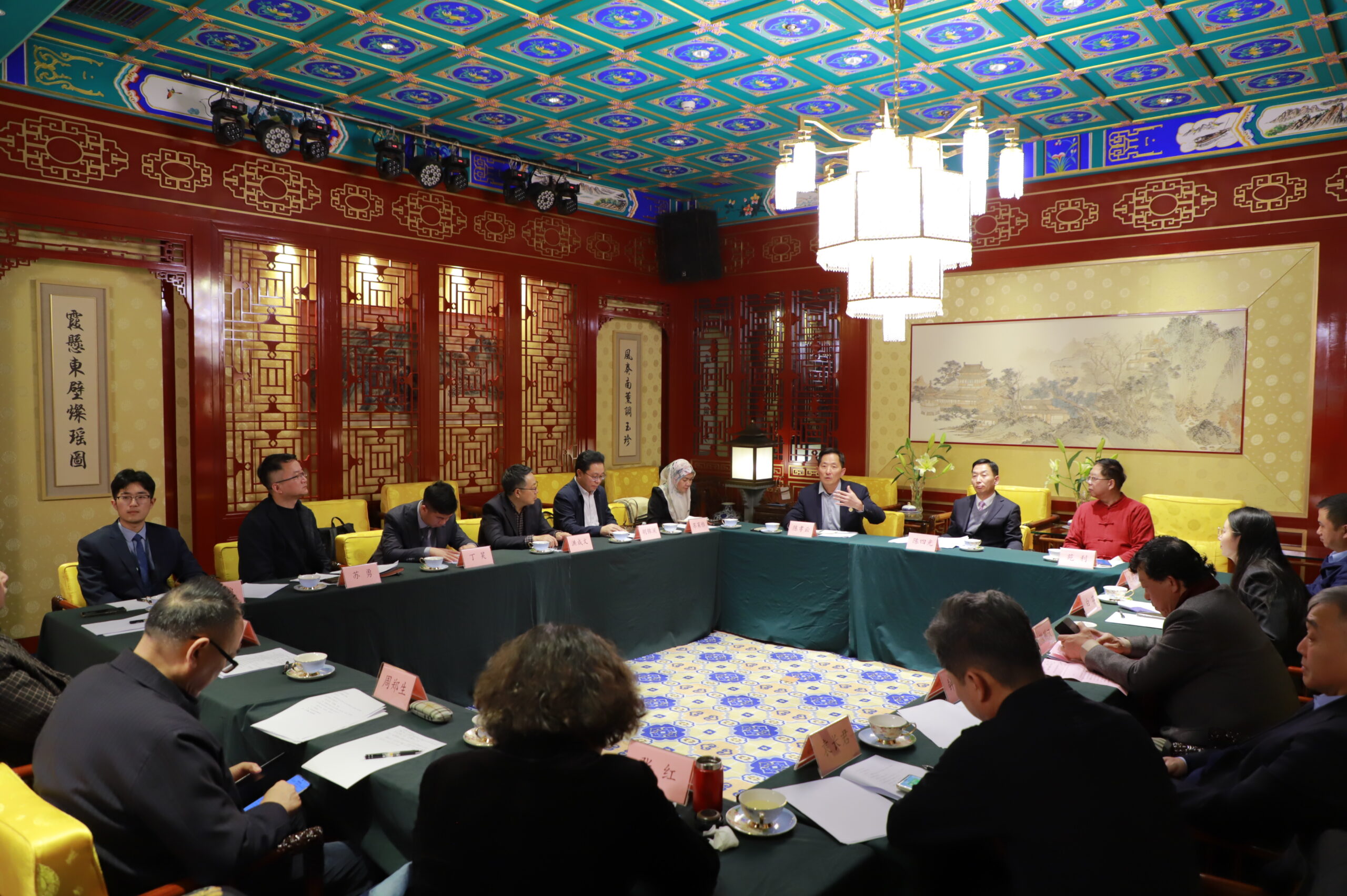
On the afternoon of February 12th, the 2026 Intangible Cultural Heritage Going Global Symposium and Signing Ceremony was held in Beijing. The event, centered on promoting excellent traditional Chinese culture and facilitating cross-civilization exchanges of intangible cultural heritage, gathered important forces from the cultural and educational fields of China and Malaysia. Together, they witnessed the official implementation of transnational intangible cultural heritage cooperation projects, injecting fresh vitality into the dialogue among civilizations of the Belt and Road Initiative, and opening a new chapter for the protection, inheritance, and development of intangible cultural heritage worldwide.
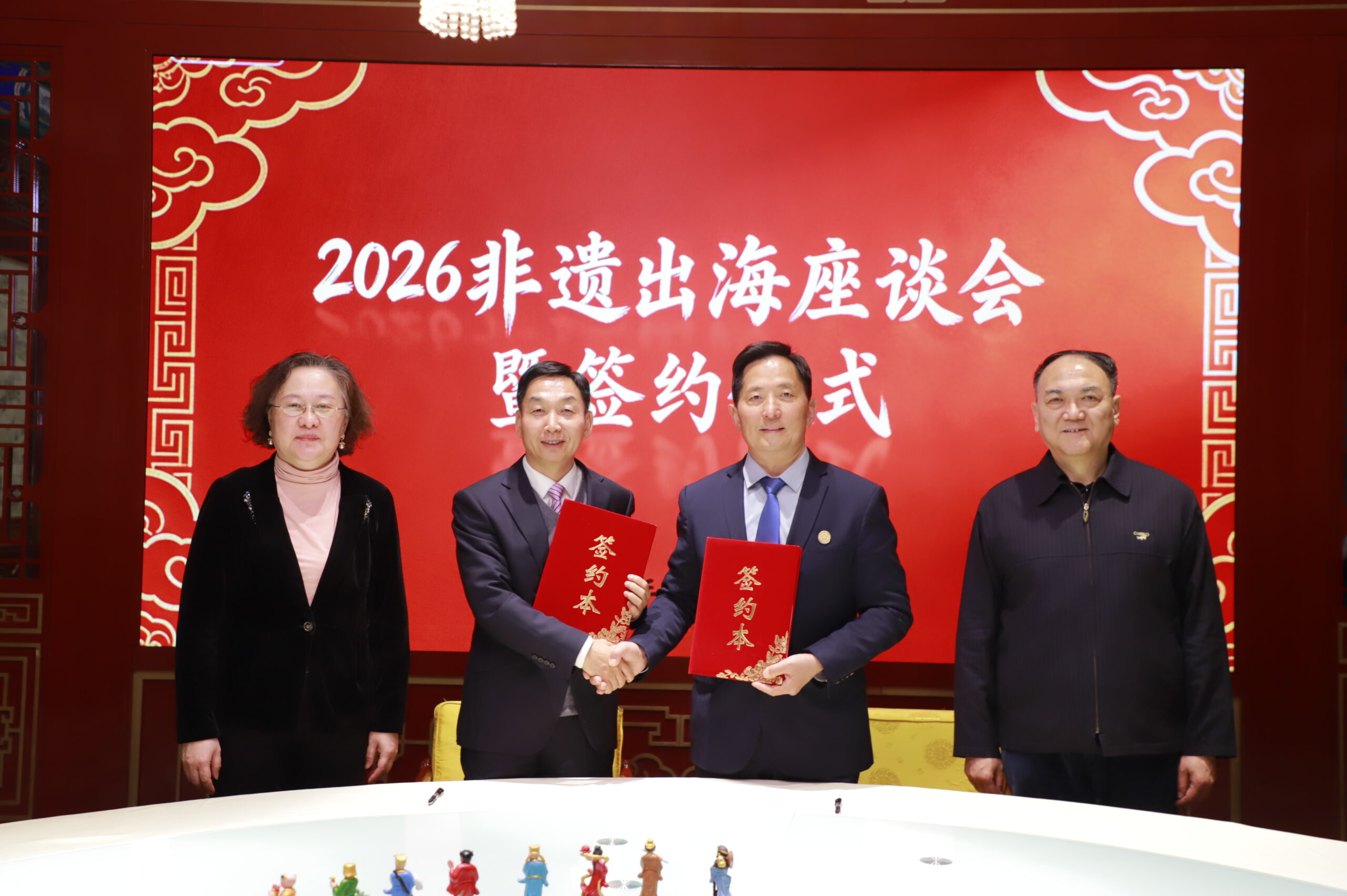
At the signing ceremony, Chen Siguang, Chairman of the China Foundation of Consumer Protection and Honorary Chairman of the Beijing Intangible Cultural Heritage Development Foundation, and Chen Xiaoyun, Chairman of Star Teenagers International Group and Chairman of the Board of Directors of Kuala Lumpur University of Science and Technology, solemnly signed the “Cooperation Agreement” for “Intangible Cultural Heritage Going Global”. Relying on KLUST, both parties will jointly establish three core carriers: the “World Intangible Cultural Heritage Academy”, the “World Intangible Cultural Heritage Center”, and the “World Intangible Cultural Heritage Museum”. They will build a three-in-one international cooperation system for intangible cultural heritage featuring “education as the foundation, industry as the enabler, and cultural dissemination as the means”, and construct a solid bridge for China-Malaysia cultural exchanges and mutual learning under the Belt and Road Initiative. This cooperation not only realizes the powerful combination of Chinese and Malaysian intangible cultural heritage resources and educational advantages, but also fills the gap in higher education for intangible cultural heritage in the ASEAN region. It is expected to pioneer transnational education for intangible cultural heritage qualifications, providing a practical model for the international dissemination of intangible cultural heritage to move from sporadic exchanges to systematic joint construction.
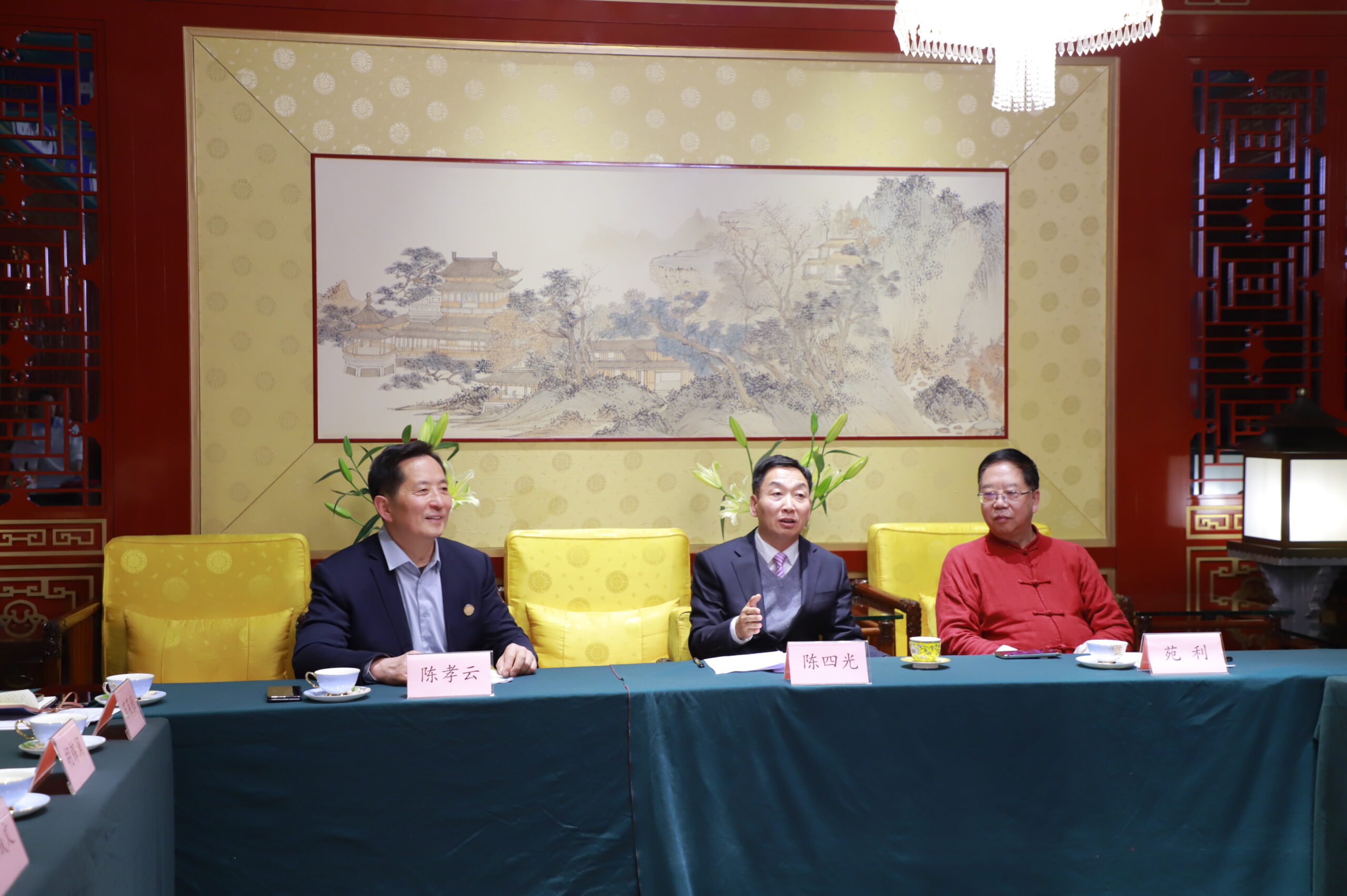
Chen Siguang, with the topic of “Making Intangible Cultural Heritage a Globally Shared Cultural Feast,” profoundly expounded on the significance of intangible cultural heritage in the era. He pointed out that intangible cultural heritage is the torch of civilization inheritance, the bond of national spirit, and the core bridge for mutual learning among civilizations in the Belt and Road Initiative. It carries the wisdom of generations from various countries and injects profound humanistic impetus into the construction of the Belt and Road Initiative. Focusing on the cooperation system, he noted that through the layout of the “three-in-one” model, the World Intangible Cultural Heritage Academy conducts integrated training from undergraduate to postgraduate and doctoral levels, deeply cultivating skills in intangible cultural heritage, cross-cultural communication, and international market operation capabilities, and cultivating compound talents for the world. The World Intangible Cultural Heritage Center opens up the entire chain from exhibition to circulation of intangible cultural heritage through exhibitions, derivative product development, and industry research, promoting precise matching of high-quality projects with the international market. The World Intangible Cultural Heritage Museum collects global collections, builds a public welfare exchange platform, and facilitates the collision and integration of different civilizations. He emphasized that this model directly addresses the pain points of talent shortage and insufficient innovation in intangible cultural heritage, represents an innovative practice in the international dissemination of intangible cultural heritage, and will provide a “China-Malaysia solution” for the global protection of intangible cultural heritage.
Based on KLUST’s educational characteristics, international advantages, and talent cultivation features, Chen Xiaoyun deeply interpreted the strategic value and implementation path of the cooperation. He pointed out that the signing ceremony coincided with the eve of the Chinese Spring Festival, making the collaboration between China and Malaysia in intangible cultural heritage irreplaceable. As Malaysia’s top applied university, KLUST adheres to the concept of “digital foundation, intelligent drive, and AI empowerment”. In 2023, it ranked first among private applied universities in ASEAN and second in the ASEAN region, with 50% of its faculty being overseas. It has deep cooperation with more than 100 universities from China, the United States, the United Kingdom, Nepal, Australia, New Zealand, South Korea, and other countries. Its courses are aligned with international standards, and it boasts 18 cutting-edge research centers. It adopts a “four beams and eight pillars” educational model to cultivate versatile talents with both technical proficiency and humanistic vision. This educational accumulation enables the university to “tell cultural stories well with technology”, laying a solid foundation for courses and technology in cooperation, and giving both parties the confidence to shoulder the mission of safeguarding civilization.
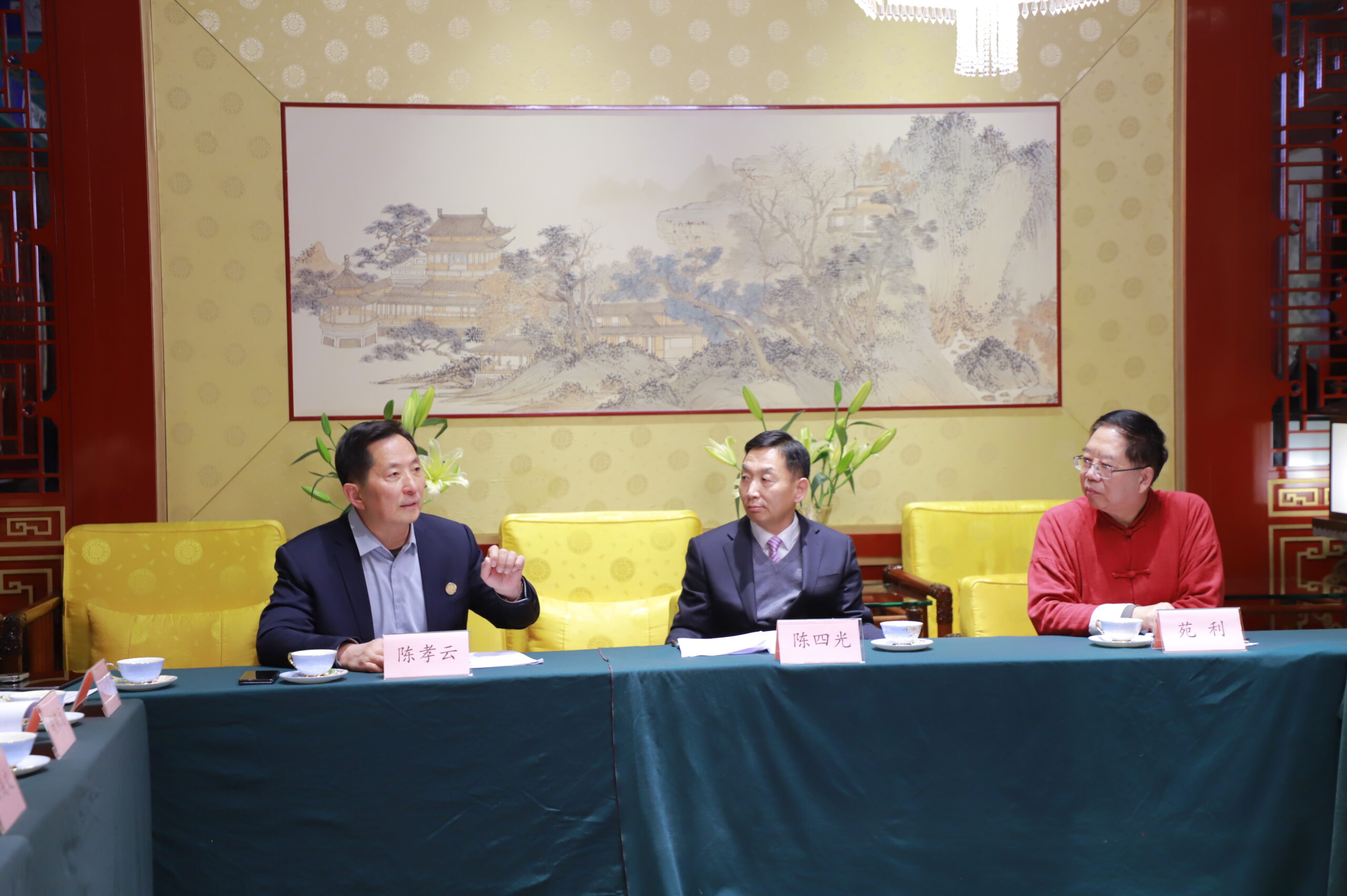
Chen Xiaoyun pointed out that this cooperation is a vivid practice of cultural exchange between China and Malaysia and mutual learning of civilizations under the Belt and Road Initiative. The incorporation of the World Intangible Cultural Heritage Academy into the school’s academic system will focus on digitalization, creative management, derivative design, and other directions. Relying on top-notch faculty, cutting-edge laboratories, and a network of alumni and international students covering ASEAN, it will cultivate a backbone force that possesses both local cultural context and global vision. The World Intangible Cultural Heritage Center will build an academic and industrial platform to promote the integration of intangible cultural heritage with technology and industry, becoming an industrial hub connecting China and Malaysia and radiating to ASEAN, injecting cultural momentum into the economic and trade of the Belt and Road Initiative. The World Intangible Cultural Heritage Museum will build a window for dialogue among civilizations, strengthening the bond between China and Malaysia. He stated that the university will leverage the advantages of an applied research university, open up international resources, promote the digital protection of intangible cultural heritage and the implementation of cross-cultural curriculum development, turn cooperation from a blueprint into reality, and contribute educational strength to mutual learning of civilizations under the Belt and Road Initiative.
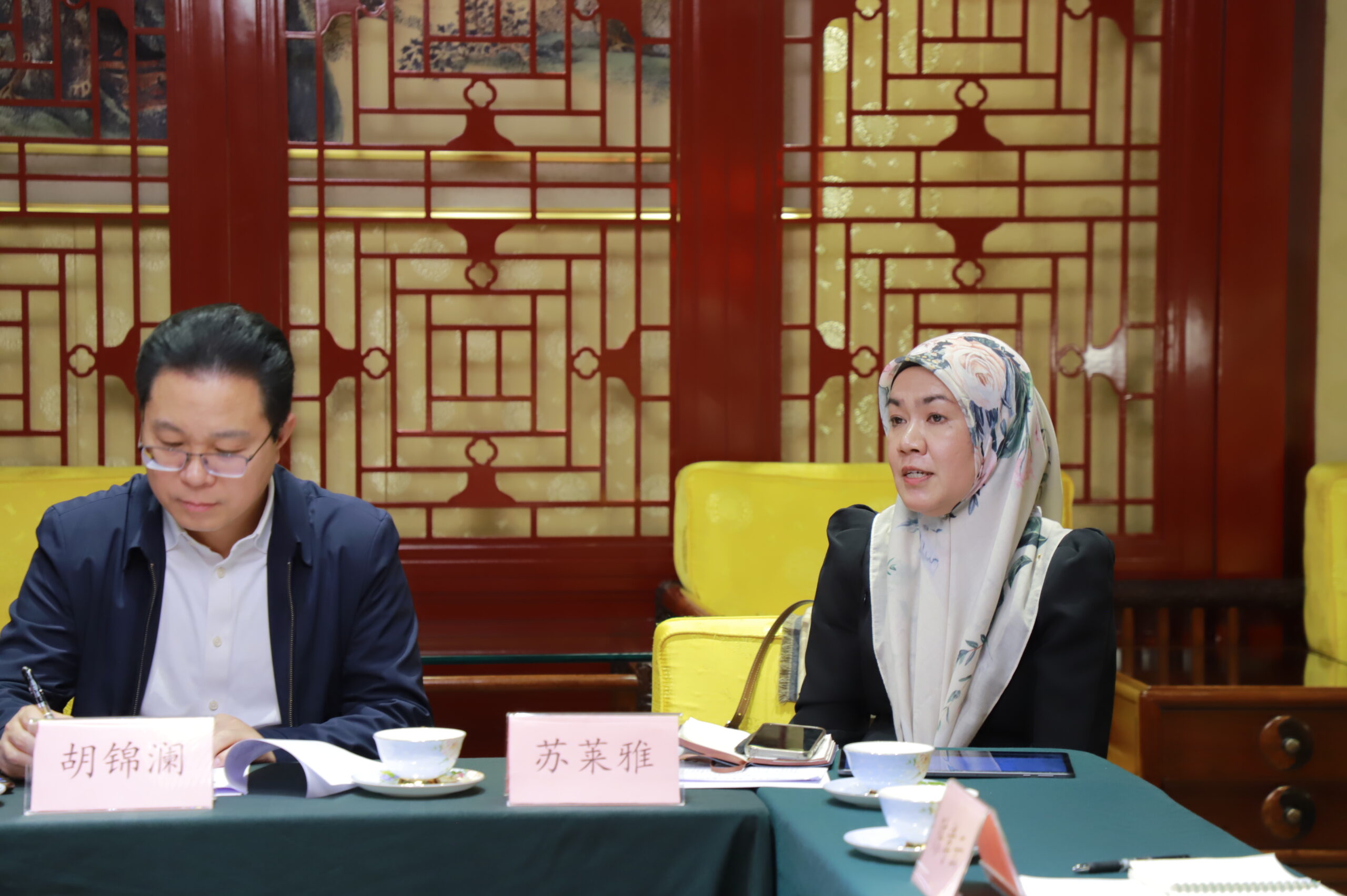
Prof. Dr. Suraya Amirrudin, Vice President of KLUST, extended her sincere gratitude to all partners. She emphasized that intangible cultural heritage is the living soul of human civilization and a precious treasure passed down from generation to generation in various countries. The collaboration to jointly establish the World Intangible Cultural Heritage Academy, World Intangible Cultural Heritage Center, and World Intangible Cultural Heritage Museum at KLUST represents a significant practice in building a bridge between Eastern and Western civilizations through education and culture. The Academy will cultivate globally-needed composite talents for the protection of intangible cultural heritage, the Center will create a high-end platform for academic research and international exchange, and the Museum will serve as a vivid window showcasing the beauty of the world’s intangible cultural heritage. Prof. Dr. Suraya Amirrudin stated that KLUST has always been committed to the deep integration of technology and culture, and believes that this collaboration will inject new vitality into the inheritance of intangible cultural heritage. She looked forward to both parties working together with sincere cooperation and pragmatic actions to jointly write a new chapter in the protection, inheritance, and innovation of the world’s intangible cultural heritage, making unremitting efforts to promote mutual learning and progress of human civilization, and wished the cooperation a complete success.
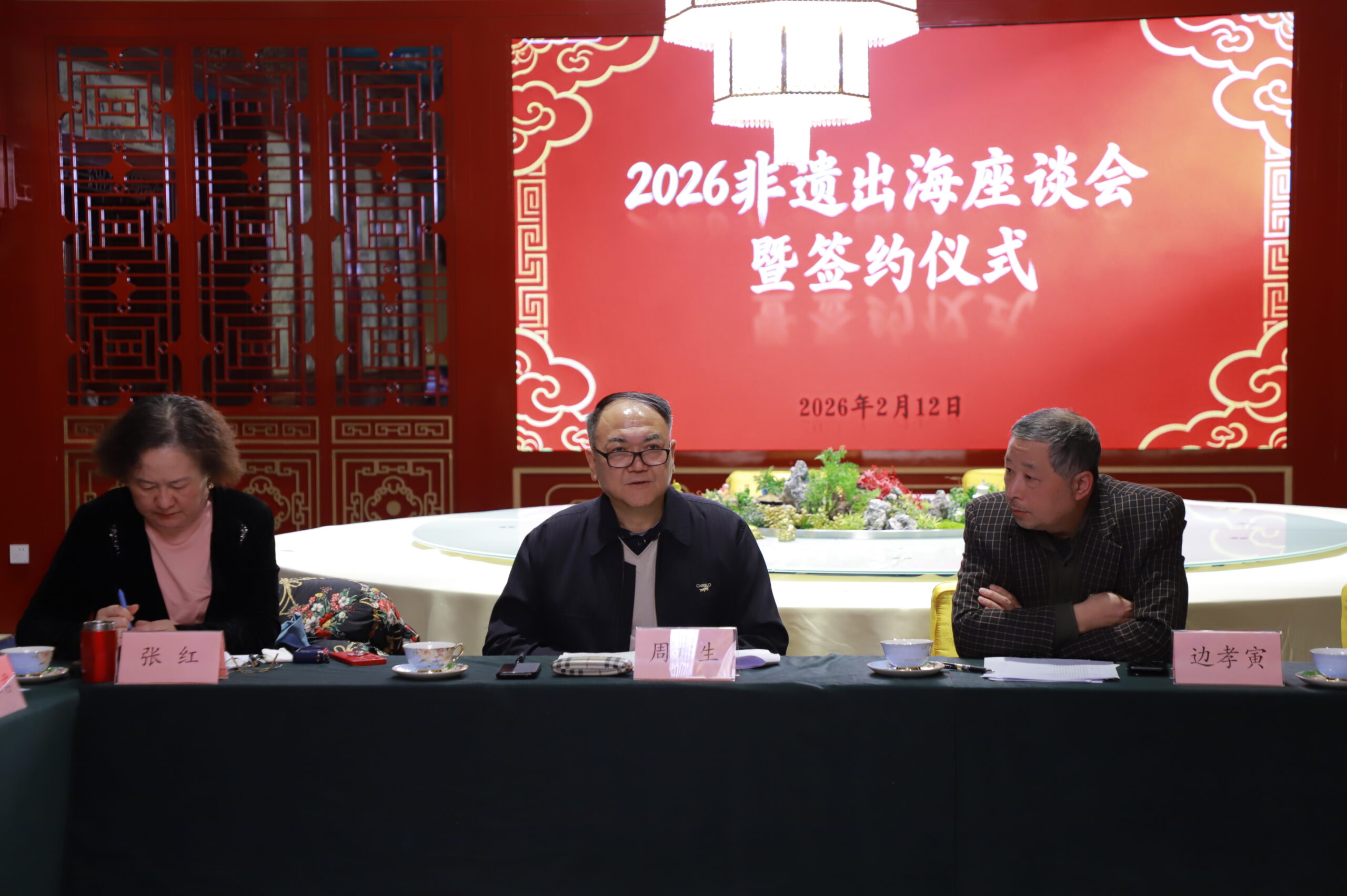
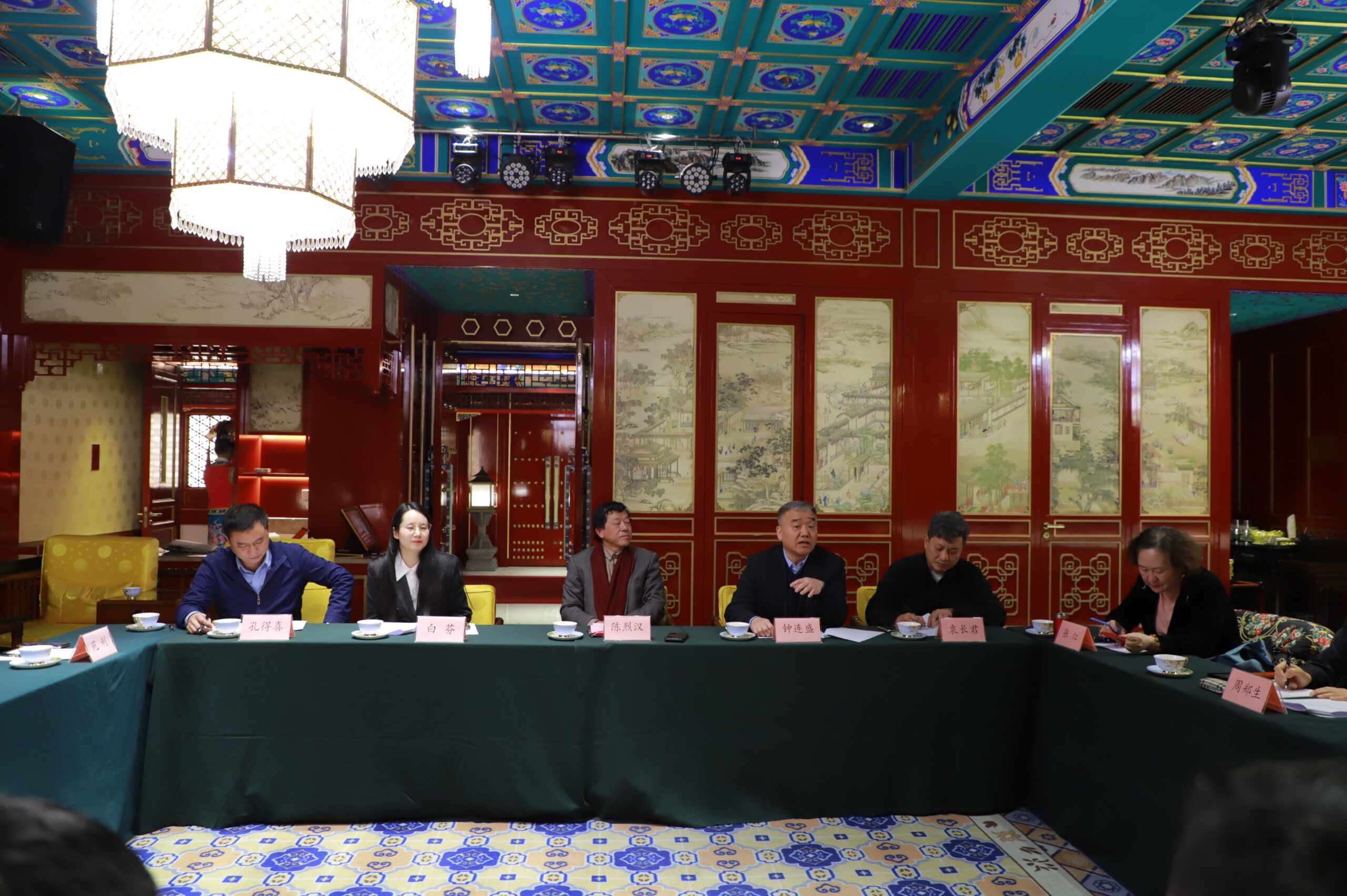
After the signing ceremony, the “Intangible Cultural Heritage Going Global” symposium was held simultaneously, where top experts and scholars in the industry, along with national-level intangible cultural heritage inheritors and masters, offered advice and suggestions, providing intelligent guidance for the project’s implementation. Zhou Zhengsheng, a special researcher at the Central Research Institute of Culture and History, pointed out that as the pace of Chinese culture going global accelerates, cities along the “Belt and Road” such as Kuala Lumpur, Malaysia, are in urgent need of experience in intangible cultural heritage protection. China-Malaysia cooperation has shifted from one-way export to mutual assistance and progress, with broad prospects. Zhang Hong, executive vice president of the China Arts and Crafts Association, emphasized that aesthetics and empathy are key to the going global of intangible cultural heritage, and it is necessary to promote traditional skills to resonate with contemporary aesthetics and global consumers. At the same time, she called for attention to special groups, making intangible cultural heritage a carrier of inclusive development. Yuan Li, director of the Beijing Intangible Cultural Heritage Development Foundation, stated that this cooperation is a crucial step for intangible cultural heritage to “go global”. The foundation will invest in teachers, teaching materials, circulation, and other aspects to promote intangible cultural heritage as a transnational bond connecting young people.
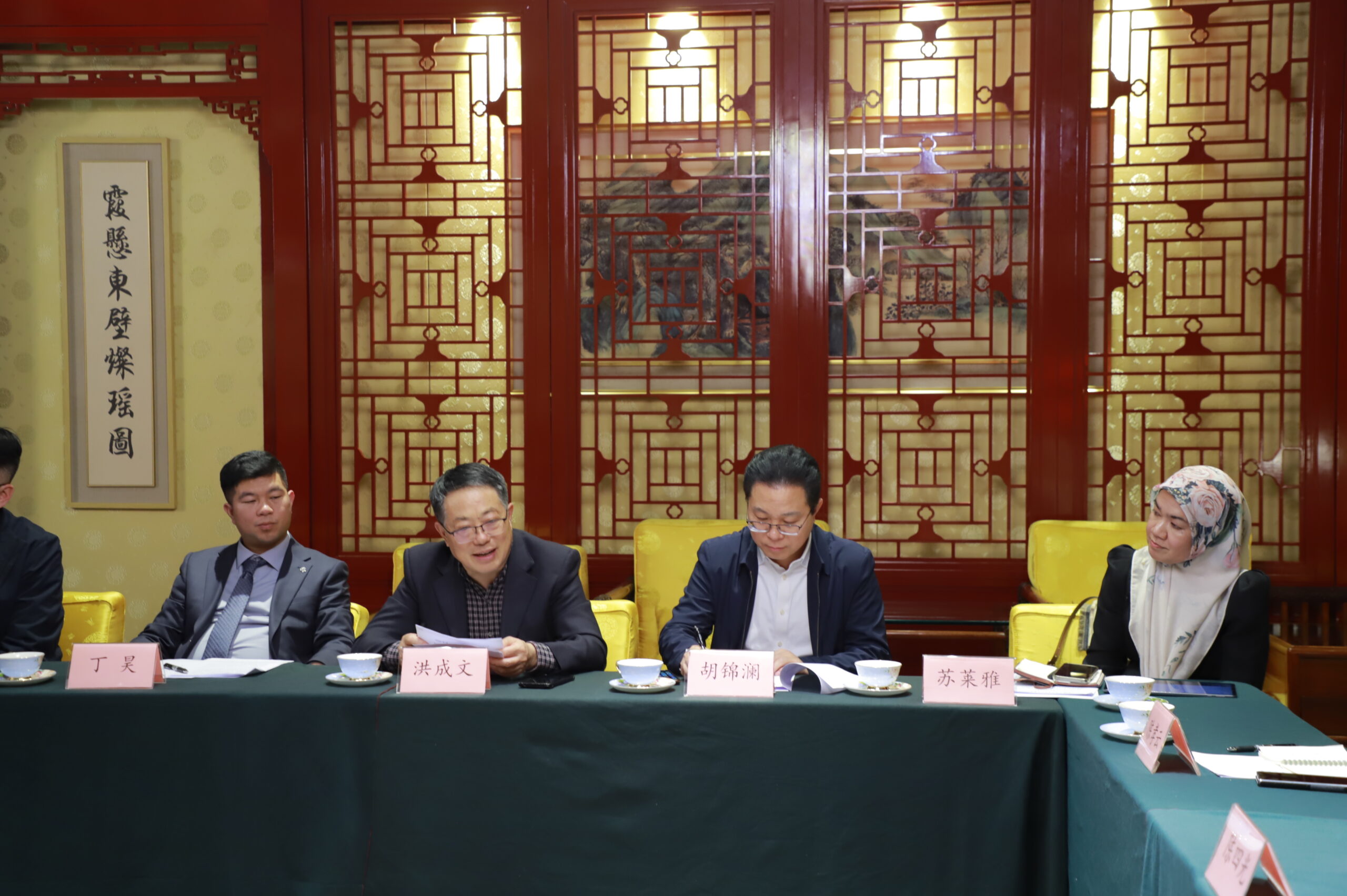
Hong Chengwen, former director of the International Education Department of Beijing Normal University, analyzed the shortage of talents for intangible cultural heritage and proposed that a comprehensive academic education from undergraduate to doctoral levels is the solution. He suggested that the Intangible Cultural Heritage Academy should connect with the framework of the United Nations Educational, Scientific and Cultural Organization (UNESCO), introduce mechanisms for mutual recognition of credits and dual degrees across borders, and cultivate talents with both local roots and global vision, pioneering cross-border academic education for intangible cultural heritage. Chen Liehan, a master of Chinese arts and crafts, Zhong Liansheng, an inheritor of cloisonne craftsmanship, and Yuan Changjun, an inheritor of filigree inlaying skills, directly pointed out the core bottleneck of the lack of teachers for intangible cultural heritage at the undergraduate and higher levels. They frankly stated that the globalization of intangible cultural heritage requires systematic talent support and called for this cooperation as an opportunity to build a comprehensive training system, cultivate a teaching team that “understands skills, is proficient in academics, and excels in communication,” and promote the inheritance of intangible cultural heritage from apprenticeship to academic and internationalization.
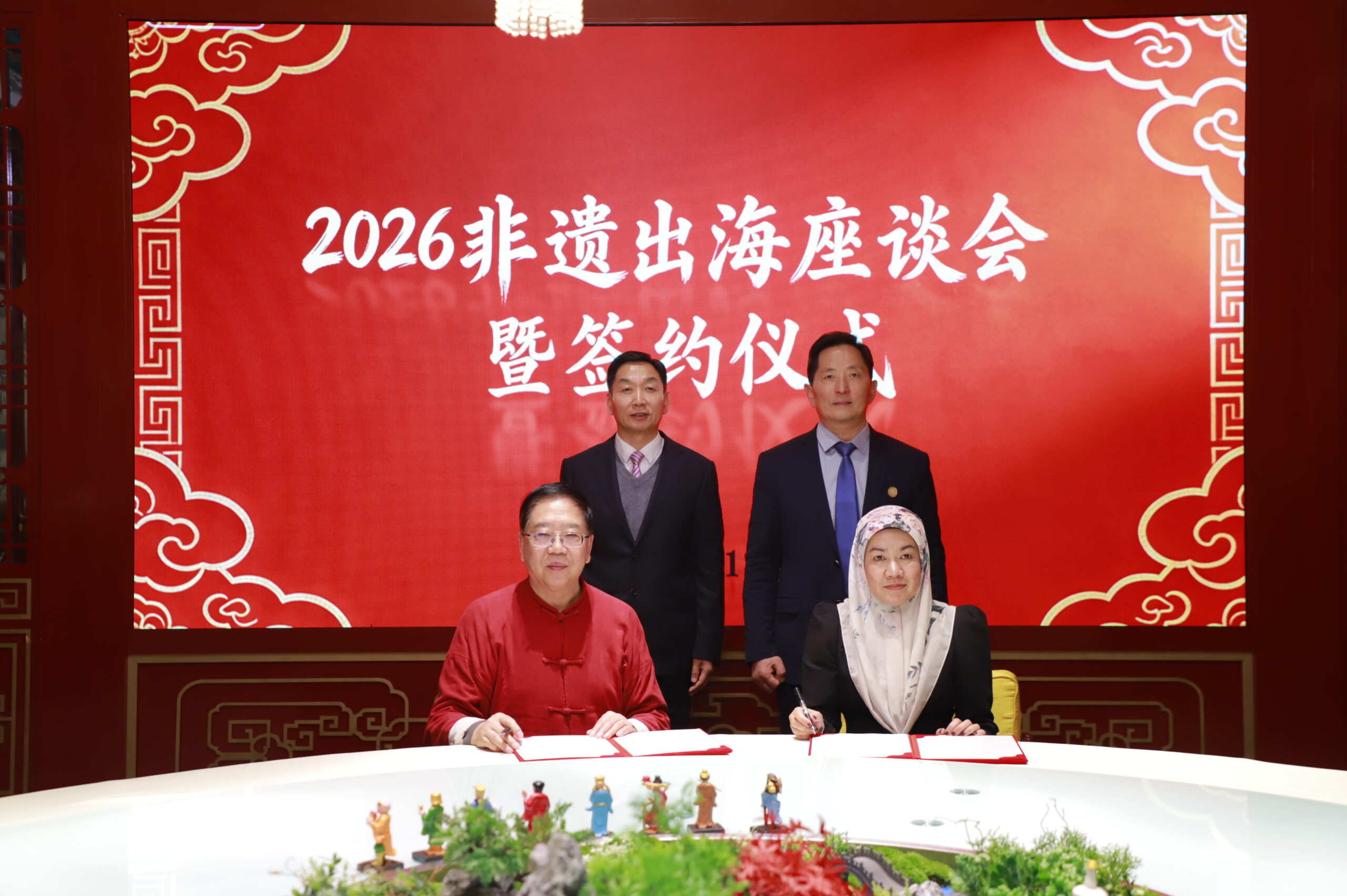
During the meeting, Prof. Dr. Suraya Amirrudin, Vice President of KLUST, and Yuan Li, Chairman of the Beijing Intangible Cultural Heritage Development Foundation, jointly signed a letter of intent for cooperation. Both parties expressed their full support, strengthened communication and collaboration, laid a solid foundation for subsequent cooperation, created a good atmosphere, and were willing to maintain close communication and collaboration to facilitate sincere cooperation and add color to the friendship between China and Malaysia. Chairman Chen Siguang, President Chen Xiaoyun, and other guests present witnessed the signing.
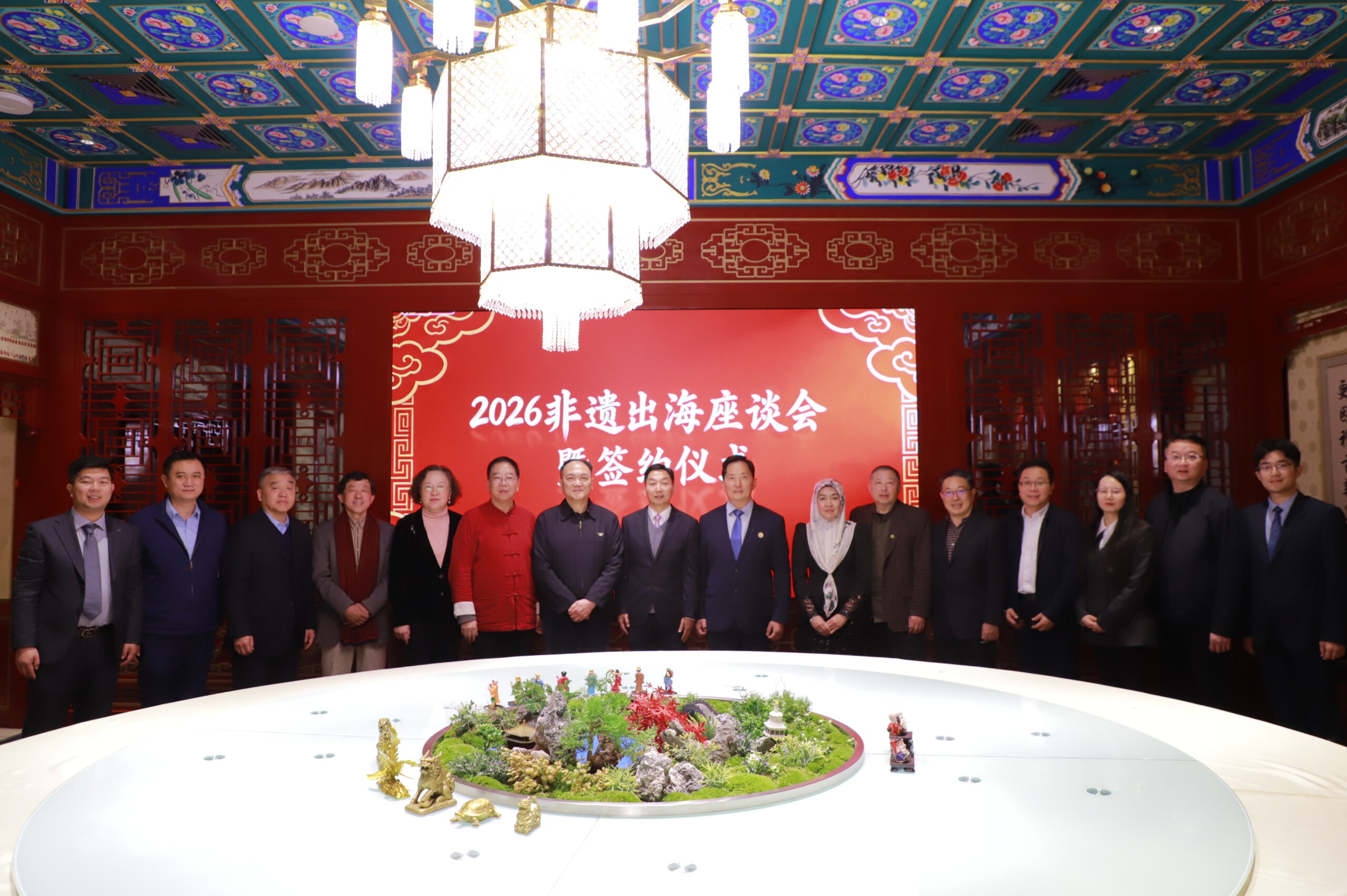
The successful hosting of the event marks the transition of China-Malaysia cooperation on intangible cultural heritage from sporadic exchanges to systematic joint construction. Through the concerted efforts of the three major carriers, a complete closed loop has been established, spanning from talent cultivation to industrial transformation, and from cultural dissemination to mutual appreciation of civilizations. This not only injects vivid vitality into China-Malaysia cultural exchanges and lays a solid humanistic foundation for the Belt and Road Initiative, but also provides a “China-Malaysia solution” for the protection, inheritance, and development of intangible cultural heritage worldwide, making intangible cultural heritage a cultural feast that transcends borders and promoting different civilizations to shine brilliantly through mutual appreciation.