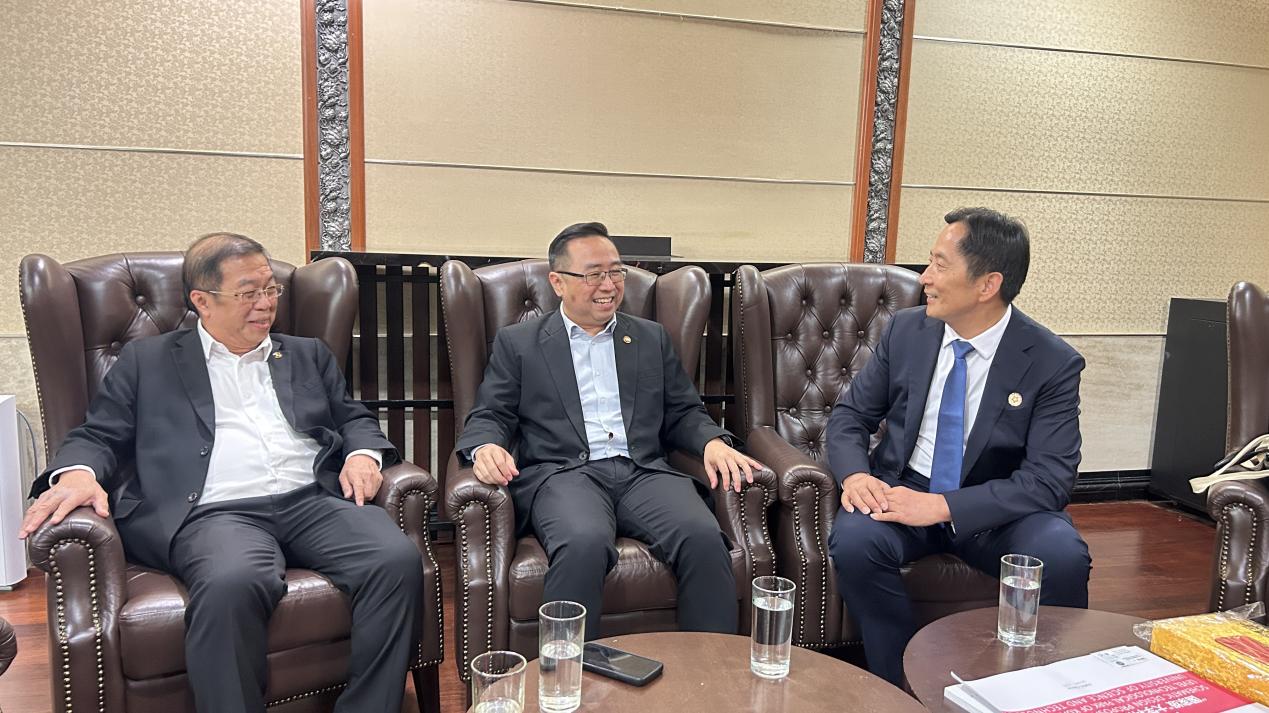
Kuala Lumpur, March 3 — Malaysia’s Minister of Science, Technology and Innovation YB Chang Lih Kang met with a delegation led by Professor Chen Xiaoyun, Chairman of the Board of Kuala Lumpur University of Science and Technology (KLUST), at the Malaysian Parliament Building.
Also attending the meeting were YB Tan Kok Wai, Advisor to KLUST and Member of the Malaysian Parliament; officials from the Ministry of Science, Technology and Innovation; and Professor David Ngo, Executive President of KLUST.
During the meeting, Minister Chang warmly welcomed Chairman Chen and his delegation and outlined the ministry’s key priorities, including Malaysia’s efforts to strengthen international cooperation in science, technology, innovation, and research with partners such as China.
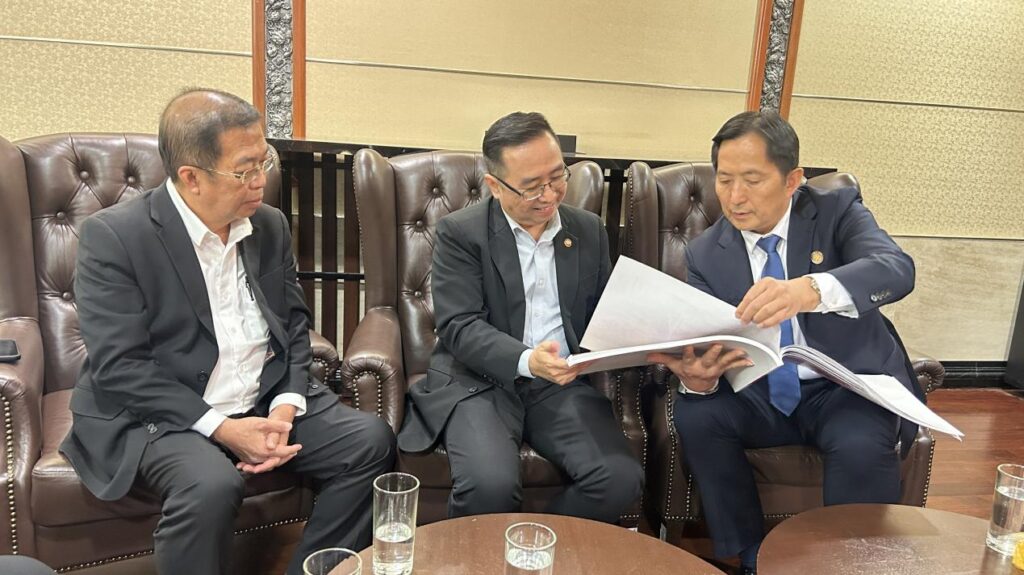
Chairman Chen introduced KLUST’s progress in advancing industry–academia–research collaboration and its initiatives to deepen cooperation with Chinese universities and technology enterprises. KLUST has established partnerships with leading Chinese universities including Tongji University and Hefei University of Technology, as well as collaborations with technology companies such as Huawei and iSoftStone.
Through these partnerships, KLUST has launched several academic and research initiatives on campus, including an Artificial Intelligence Research Center, programs for intangible cultural heritage studies, and industry-linked platforms such as the Chery Workshop and Chery Academy. The university has also invested in and incubated technology enterprises in areas including quantum technology, intelligent robotics, and AI-driven intelligent agent systems.
Minister Chang emphasized that universities play a critical role as partners in national development, noting that KLUST could contribute significantly to Malaysia’s ecosystem of industry–academia–research collaboration.
In response, Chairman Chen shared the university’s plans to establish an Industry–Education Integration Science and Innovation Park, envisioned as part of an ASEAN Science and Innovation Valley. The initiative aims to integrate research, industry development, innovation, and technology incubation, while supporting the Malaysian government in designing practical application scenarios in sectors such as AI-enabled education, urban development, agriculture, and transportation.
Minister Chang expressed strong support for the initiative and instructed relevant agencies under the Ministry of Science, Technology and Innovation to engage with KLUST in advancing feasible collaborative projects.
Chairman Chen also introduced the investment activities of Star Youth International Group Co., Ltd., particularly its cooperation and development initiatives related to KLUST. Minister Chang inquired about the regulatory procedures and strategic objectives of the cooperation and acquisition arrangements, and Professor David Ngo provided a briefing on the matter.
During the meeting, Chairman Chen also shared KLUST’s vision of becoming a leading science and technology university in ASEAN, committed to serving regional development, supporting national strategies, and strengthening Malaysia–China cooperation under the Belt and Road Initiative.
The university is advancing an innovative “Four Pillars and Eight Platforms” talent development framework, aimed at cultivating future leaders in technology, education, business, and public service. Supporting platforms include the Belt and Road Digital Economy and Artificial Intelligence Research Center, the Star Youth Digital and Intelligent Technology Training Center, and the China–ASEAN Public Affairs and Technology Development Research Center, forming a comprehensive ecosystem integrating education, research, industry, and application.
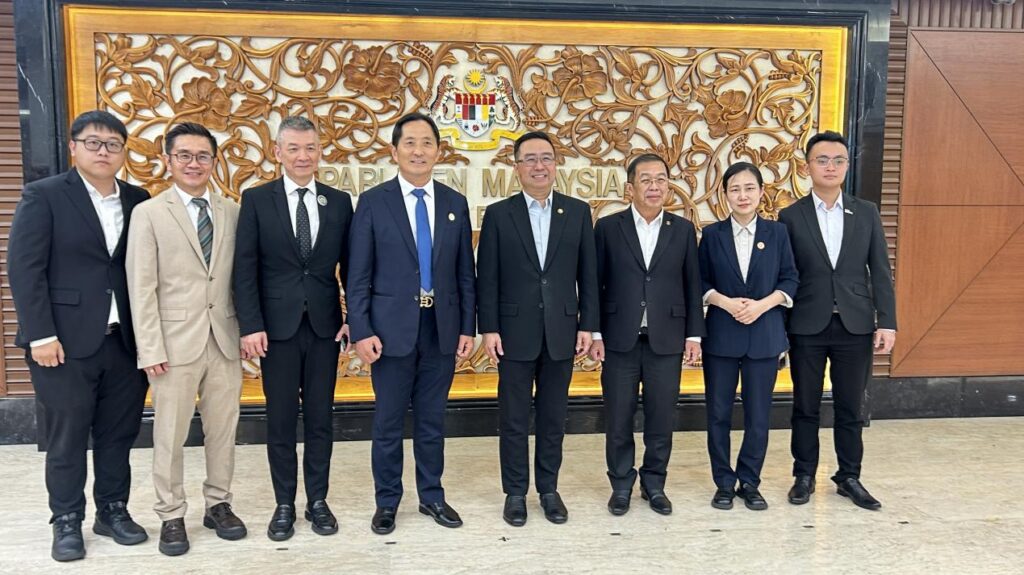
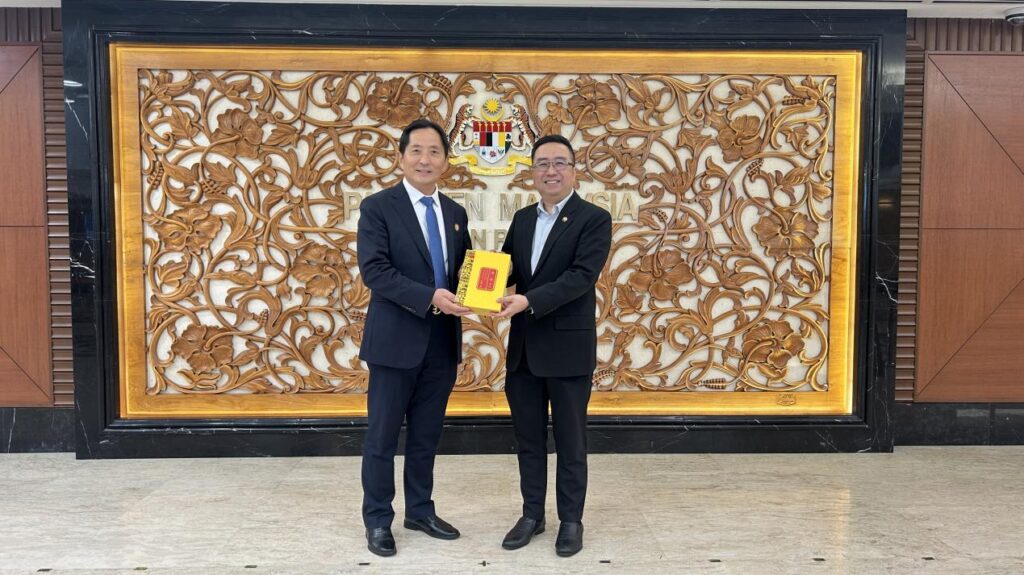
At the conclusion of the meeting, Chairman Chen presented Minister Chang with a copy of the Chinese classical work “Su Shu”, authored by Huang Shigong. Chairman Chen noted that the text integrates philosophical traditions from Taoism, Confucianism, Legalism, and military strategy, and is regarded as a classic work of Chinese thought. Minister Chang expressed appreciation for the gift and remarked on the profound depth and long history of Chinese culture. The meeting concluded with a group photo session. Minister Chang extended his best wishes for the continued development of KLUST and expressed confidence that the university would make meaningful contributions to society and national development.