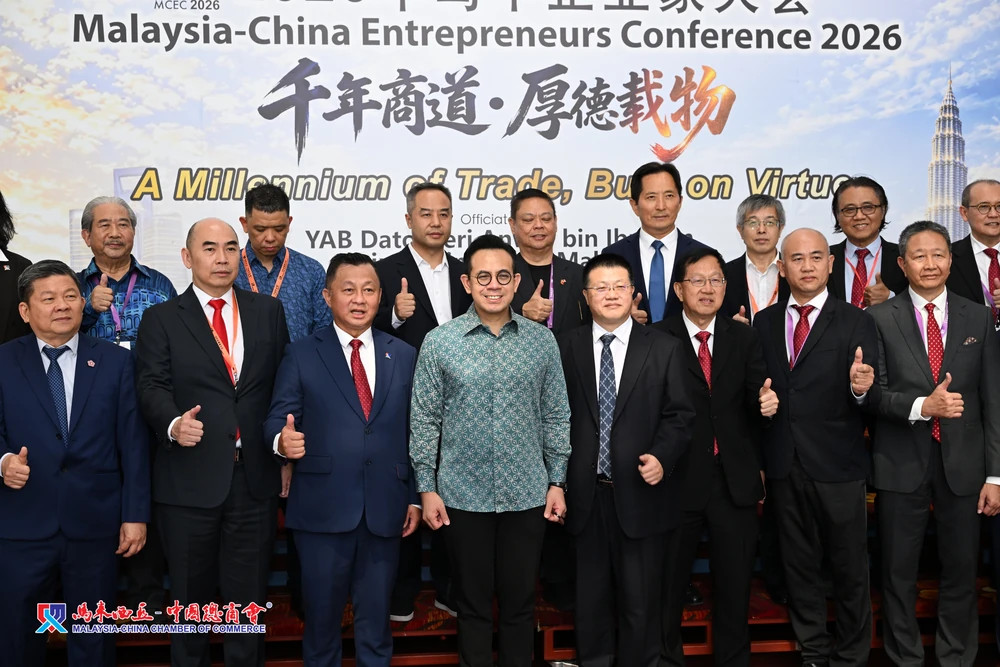
At the 16th Malaysia–China Entrepreneurs Conference, KLUST highlighted how closer integration between universities and industry can develop future-ready talent and support regional economic transformation.
As Malaysia and China strengthen their economic ties, a critical question is emerging: how can growing investment and technological cooperation translate into a workforce capable of sustaining the industries of tomorrow?
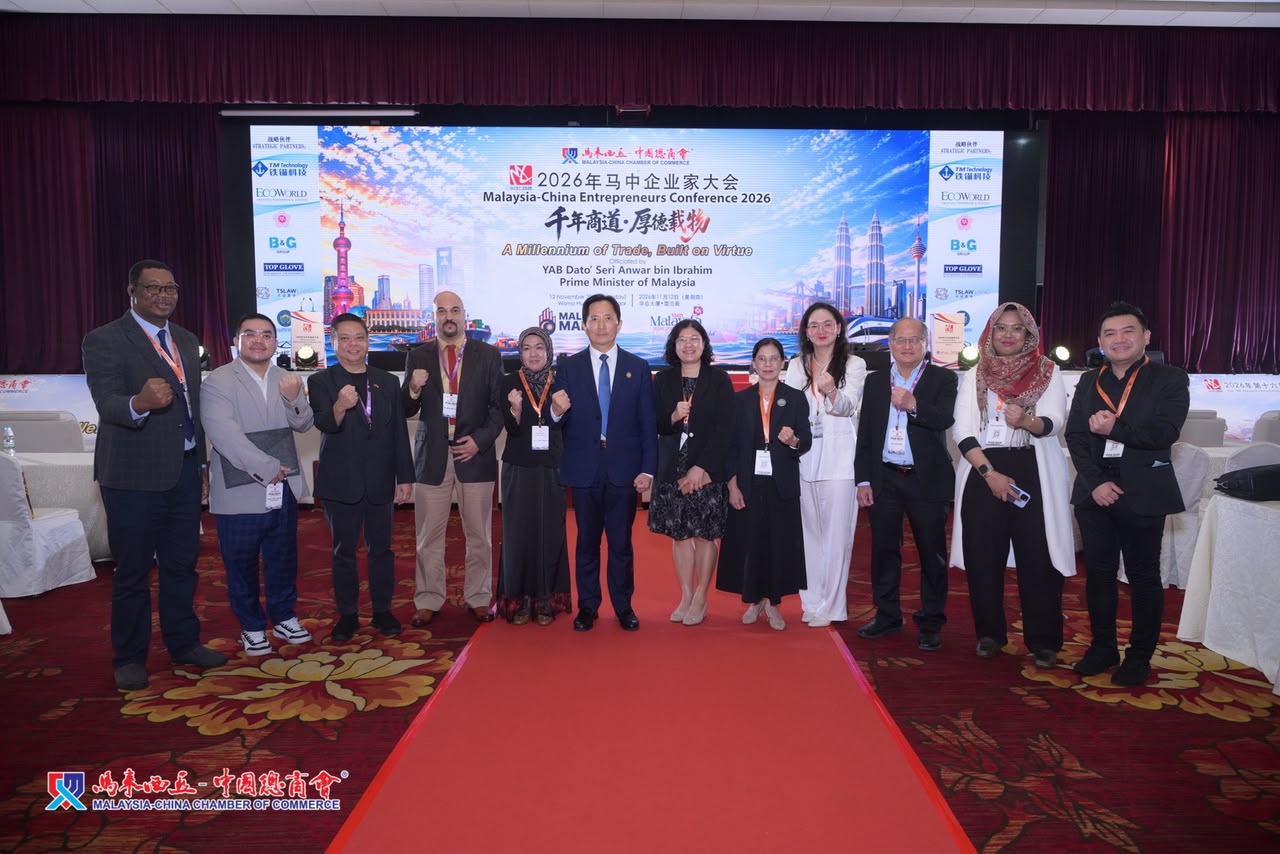
This question was central to the vision presented by Professor Chen Xiaoyun, Chairman of the Board of Directors of Kuala Lumpur University of Science and Technology (KLUST), at the 16th Malaysia–China Entrepreneurs Conference (MCEC) 2026, held at Wisma Huazong, Seri Kembangan.
Organised by the Malaysia–China Chamber of Commerce (MCCC), the conference brought together government officials, entrepreneurs and industry leaders to explore new opportunities for bilateral cooperation under the theme “A Millennium of Trade, Built on Virtue”.
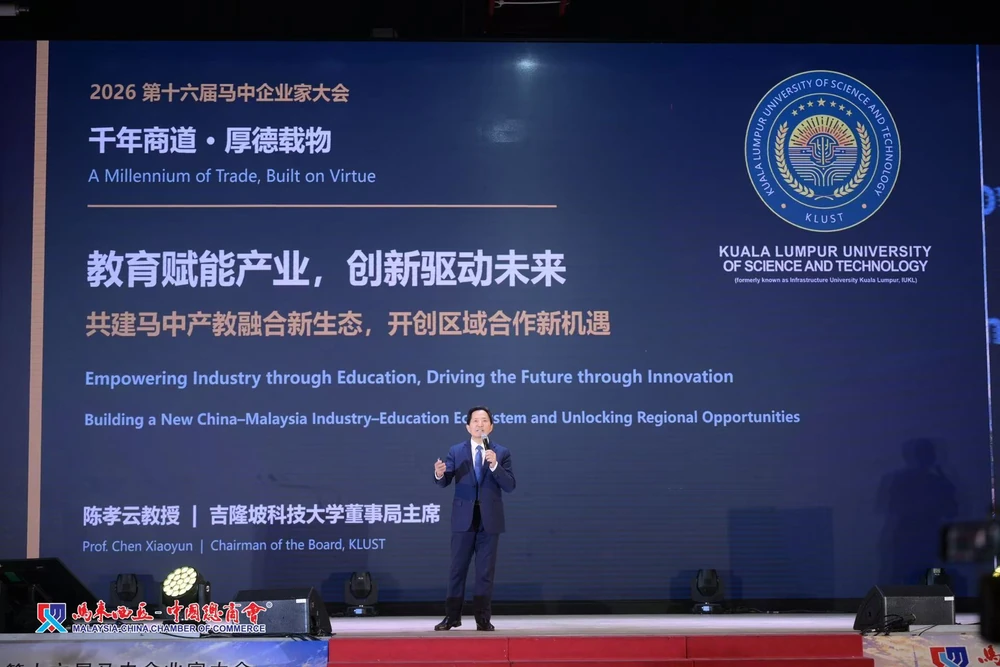
In his presentation titled “Empowering Industry through Education, Driving the Future through Innovation”, with the accompanying theme “Building a New China–Malaysia Industry–Education Ecosystem and Unlocking Regional Opportunities”, Professor Chen placed KLUST’s institutional direction within the broader context of economic cooperation and technological transformation.
The presentation’s central proposition was clear: closer alignment between education and industry can create opportunities not only for institutional development, but also for the future workforce and the economies it will support.
A Shared Direction for Malaysia–China Economic Cooperation
The conference took place amid growing momentum to expand Malaysia–China cooperation beyond conventional trade and investment.
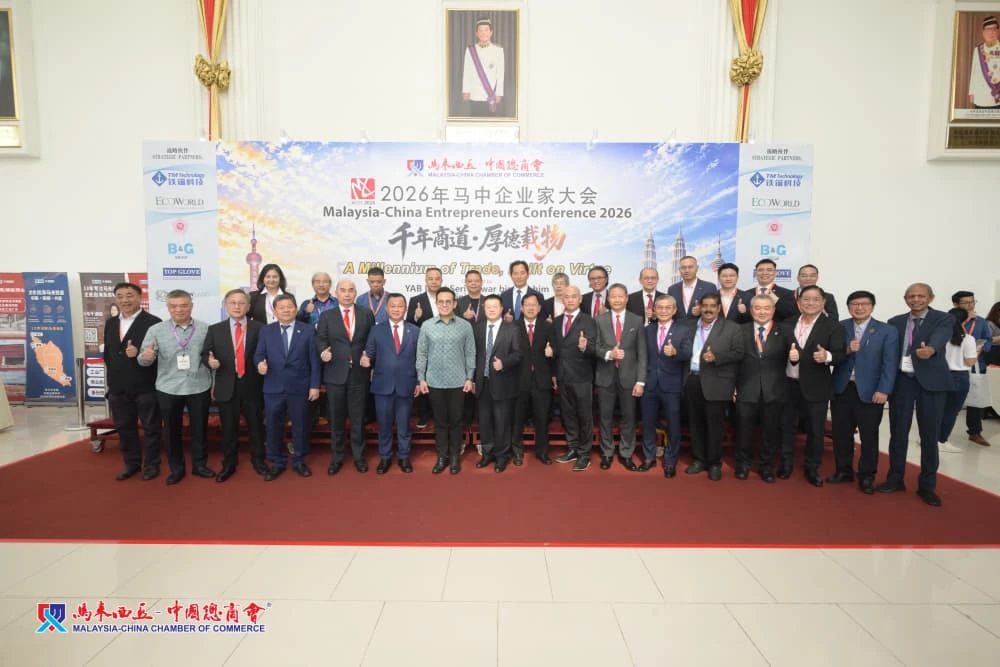
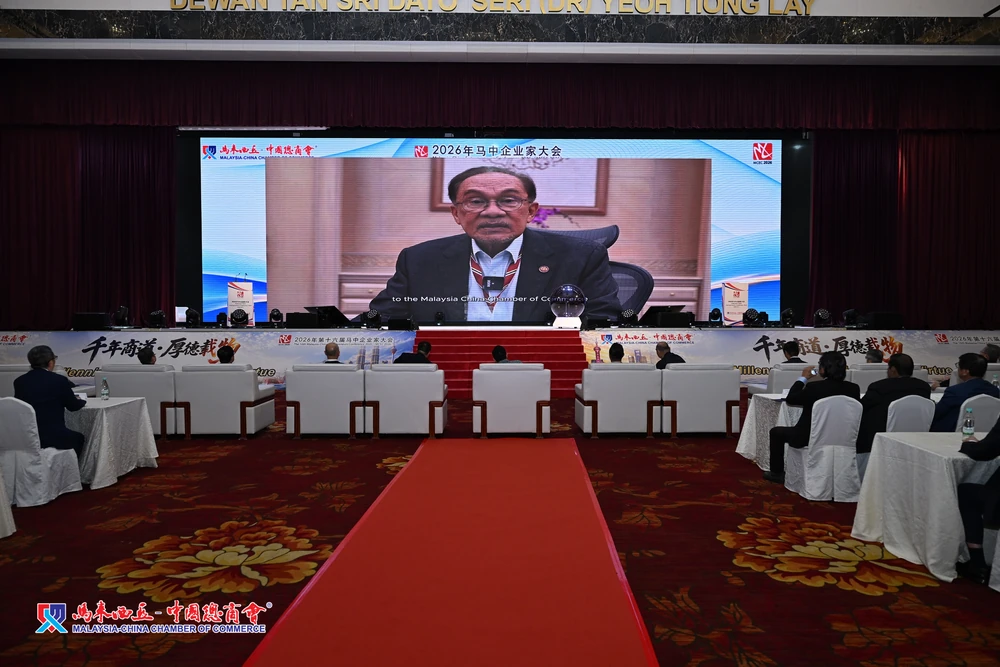
Prime Minister YAB Dato’ Seri Anwar Ibrahim, who delivered his keynote address via video, emphasised the need for both countries to deepen cooperation in innovation, industrial development and talent cultivation.
The Prime Minister was represented on-site by YB Steven Sim Chee Keong, Minister of Entrepreneur Development and Cooperatives, who highlighted opportunities for Malaysian small and medium enterprises to participate more meaningfully in supply chains connected to Chinese investment.
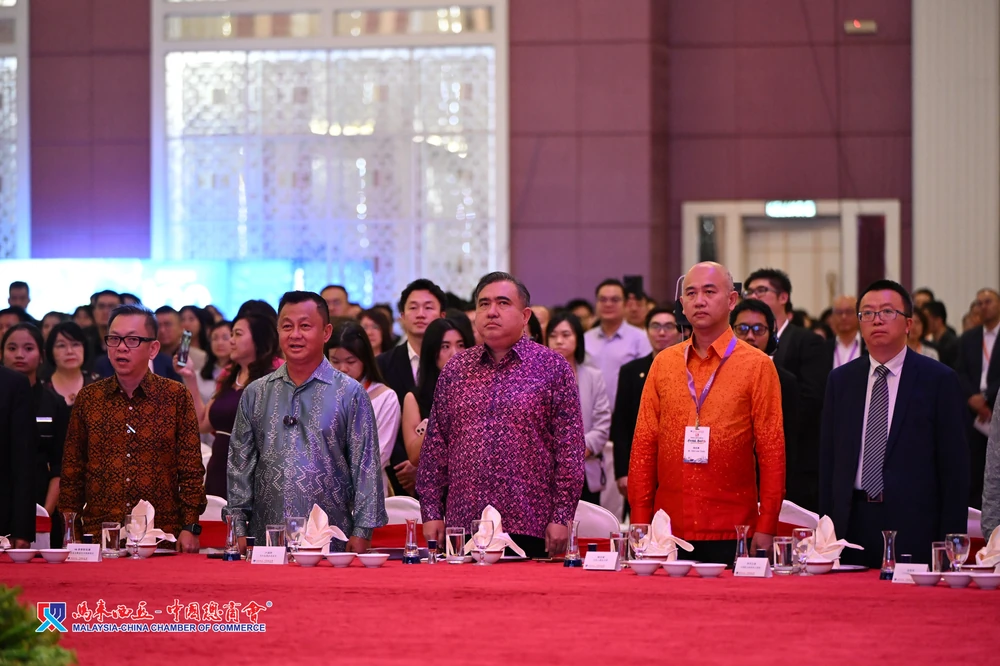
The event was also attended by H.E. Yao Wen, Ambassador of the People’s Republic of China to Malaysia; YB Liew Chin Tong, Deputy Minister of Finance; and YB Sim Tze Tzin, Deputy Minister of Investment, Trade and Industry.
Other prominent participants included Loo Kok Seong, President of MCCC; Ir. Yeo An Thai, the Conference Organising Chairman; Datuk Teng Chang Khim, Chairman of SME Corp Malaysia; and Datuk Abdul Majit Ahmad Khan, President of the Malaysia–China Friendship Association.
Discussions addressed emerging opportunities in semiconductor value chains, artificial intelligence data centres, cross-border investment and industrial cooperation. These developments underscored a broader reality: the success of economic transformation depends not only on attracting investment, but also on developing the capabilities required to support it.
From Academic Qualifications to Industry Readiness
Professor Chen’s presentation theme reflects an important shift in the role of higher education. As artificial intelligence, automation and intelligent technologies reshape industries, universities face growing expectations to produce graduates who can apply knowledge in real working environments.
For KLUST, this challenge is closely connected to its institutional transformation. Formerly known as Infrastructure University Kuala Lumpur (IUKL), KLUST has expanded its strategic direction towards science, technology and internationally connected applied education.
The objective extends beyond ensuring that graduates possess the qualifications needed for employment. It is about preparing students to understand industry challenges, work with emerging technologies and contribute effectively to organisations operating in increasingly complex and interconnected markets.
This requires closer engagement between academic institutions and employers, particularly in curriculum relevance, practical learning, applied research and professional exposure.
At KLUST, industry–education integration is intended to bring these elements closer together, creating a learning environment where academic development is increasingly informed by real-world applications. A future-ready graduate is not simply someone who understands technology, but someone who can apply that understanding to create value.
Building an Ecosystem That Connects Universities and Enterprises
KLUST’s approach is supported by its growing network of academic and industry collaborators. More recently, KLUST expanded its academic engagement through a Memorandum of Understanding with Jingchu University of Technology, creating further opportunities to explore academic exchange, research cooperation and talent development. On the industrial front, KLUST has developed collaborative relationships with leading technology and manufacturing enterprises, including Huawei, Chery Automobile and iSoftStone.
These relationships provide a foundation for initiatives that connect academic learning with technological applications and professional practice. One example is KLUST’s Chery Workshop and Chery Academy, which support the University’s direction towards industry-oriented automotive education and technical development.
Its collaboration with iSoftStone similarly reflects opportunities to connect digital technology expertise with curriculum development, practical training, and industry-relevant competencies. Together, these initiatives illustrate a broader approach to educational partnerships.
Rather than limiting collaboration to institutional agreements, KLUST is working towards an ecosystem in which universities and enterprises can contribute complementary expertise to talent development and innovation. The ambition is to create stronger connections between the classroom and the workplace, allowing students to develop a more practical understanding of the industries they may eventually enter.
From Shared Vision to Industry Collaboration
The significance of Professor Chen Xiaoyun’s presentation extended beyond the ideas presented on stage. It sparked considerable interest among conference participants, reflecting a growing recognition that the future of Malaysia–China economic cooperation depends as much on talent development as it does on investment.
Representatives welcomed KLUST’s proposed industry–education integration ecosystem, recognising its potential to bridge a persistent gap between academic preparation and the evolving demands of industry.
For businesses navigating technological disruption, access to industry-ready talent is becoming increasingly critical. KLUST’s approach offers a framework for universities and enterprises to work more closely together, aligning educational development with practical industry requirements.
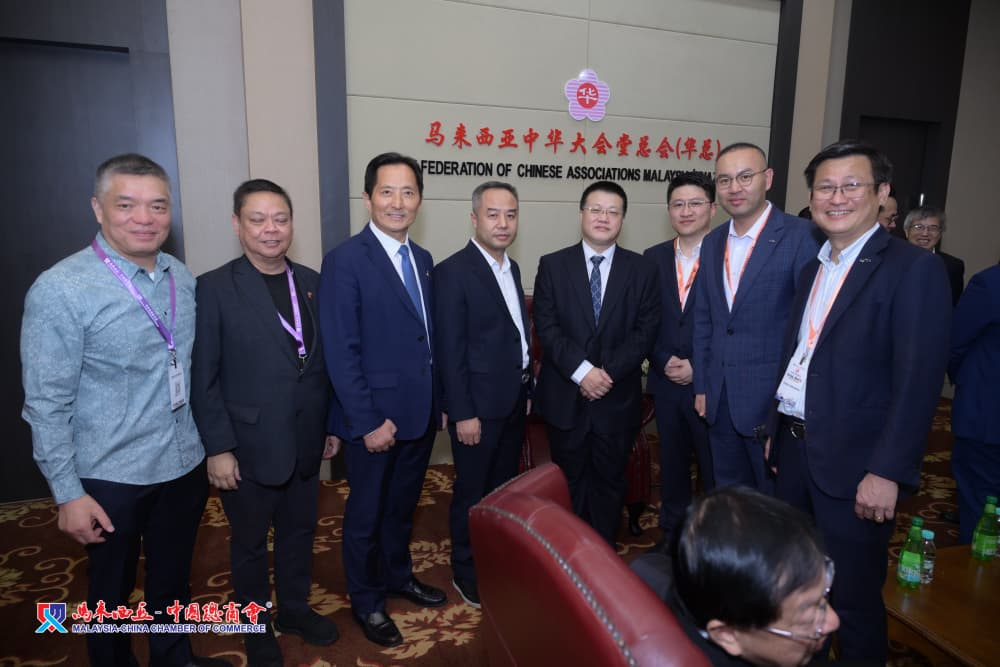
Several participants expressed interest in pursuing collaborations with KLUST, particularly in customised talent development, joint research and development, industrial internships and graduate employment pathways.
These discussions point to a broader opportunity. By connecting university research capabilities with enterprise expertise, Malaysia and China can move beyond conventional institutional partnerships towards more integrated models of knowledge exchange and workforce development.
Malaysia as a Gateway to Regional Talent Development
Professor Chen’s presentation also placed China–Malaysia industry–education cooperation within a wider regional context. Malaysia occupies an important strategic position within ASEAN, offering opportunities to connect international educational resources with the region’s developing industrial landscape.
As enterprises expand across borders, the demand for graduates who understand different technologies, working cultures and business environments will become increasingly significant.KLUST’s international education strategy responds to this changing environment by promoting cross-border academic cooperation, applied research and industry-linked learning.
The University aims to contribute to a more connected educational ecosystem linking China, Malaysia and ASEAN, while extending collaboration with partners across Central Asia and the wider Global South. Such cooperation has the potential to support knowledge exchange, technological development and stronger pathways between education and employment.
It also reflects KLUST’s aspiration to become a world-class science and technology university that develops future technology leaders and contributes meaningfully to industrial transformation.
Education as a Foundation for Sustainable Economic Growth
The 16th Malaysia–China Entrepreneurs Conference demonstrated the importance of continued dialogue between governments, enterprises and institutions in shaping the next chapter of bilateral cooperation. For KLUST, the conference provided a platform to highlight the contribution that higher education can make to this shared economic future.
International investment can accelerate industrial development. However, the ability to sustain that development ultimately depends on people equipped with the knowledge, adaptability, and practical capabilities to lead it.
Through Professor Chen Xiaoyun’s presentation and its continued engagement with academic and industry partners, KLUST reinforced its ambition to bridge the relationship between education and economic progress.
As Malaysia and China pursue deeper cooperation in emerging industries, preparing the next generation of capable, internationally minded graduates will become an increasingly important part of that relationship.