12–14 October 2026 | Muscat, Oman
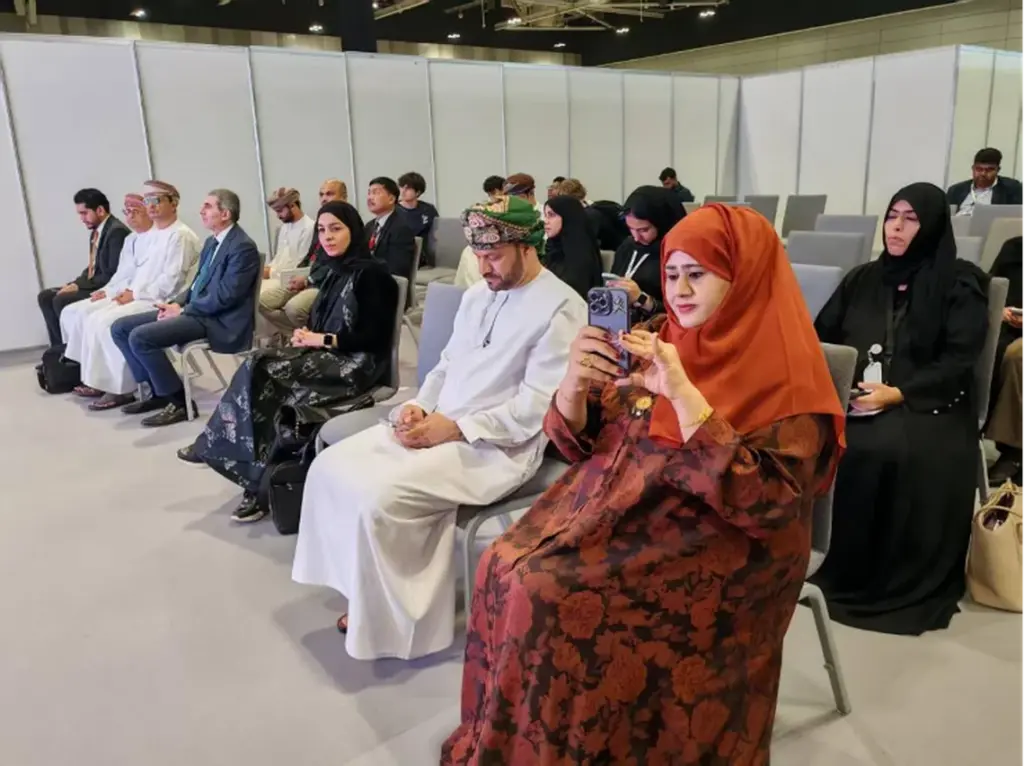
Kuala Lumpur University of Science and Technology (KLUST) participated in Edutrac Oman 2026, held at the Oman Convention and Exhibition Centre in Muscat from 12 to 14 October. The university’s participation marked a significant step in expanding its engagement in the Middle East and strengthening international connections across education, technology and industry.
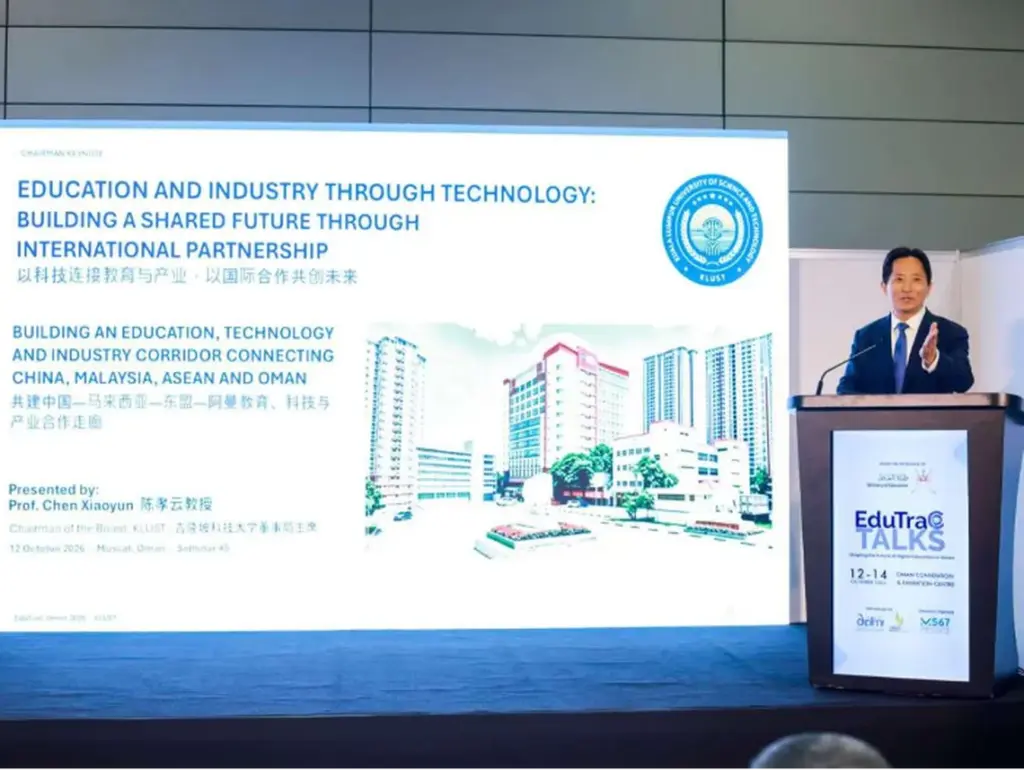
KLUST Chairman Professor Chen Xiaoyun attended as a guest and delivered a keynote address outlining the university’s vision for building a collaborative platform connecting China, Malaysia, ASEAN and Oman. The address highlighted the role of internatioIn his keynote address, titled “Connecting Education and Industry Through Technology, Creating a Shared Future Through Cooperation: Building a New Platform for Industry-Education Integration Across China, Malaysia, ASEAN and Oman,” Professor Chen discussed how universities can respond to rapid advances in artificial intelligence (AI) and changes in the global industrial landscape.
He emphasised that universities must move beyond responding to industry developments and work proactively with industry to anticipate emerging needs, develop relevant capabilities and shape future opportunities.
This vision underpins KLUST’s ongoing transformation towards becoming a technology-oriented, industry-integrated and international university. The university is advancing the application of AI, intelligent robotics, new-energy vehicles, smart manufacturing, the digital economy and sustainable technologies across traditional academic disciplines. A central priority is to position AI as a foundational capability across disciplines, rather than limiting it to specialised technology programmes. This reflects the growing importance of digital competencies across professions and industries.In his keynote address, “Connecting Education and Industry Through Technology, Creating a Shared Future Through Cooperation: Building a New Platform for Industry-Education Integration Across China, Malaysia, ASEAN and Oman,” Professor Chen addressed the implications of rapid advances in artificial intelligence (AI) and changes in the global industrial landscape.
He emphasised that universities must do more than respond to industrial developments. They must work alongside industry to anticipate emerging needs, develop relevant capabilities and create opportunities for innovation.
This vision underpins KLUST’s transformation towards becoming a technology-oriented, industry-integrated and international university. The university is advancing the application of AI, intelligent robotics, new-energy vehicles, smart manufacturing, the digital economy and sustainable technologies across traditional academic disciplines.
A central priority is to position AI as a foundational capability across disciplines, rather than limiting it to specialised technology programmes. This approach reflects the growing importance of digital competencies across professions and industries.
Developing talent for a connected global economy
Professor Chen also outlined KLUST’s distinctive approach to talent development, which combines its overarching institutional framework, known as the “Four Pillars and Eight Foundations”, with its “Three-Nine” talent development model.
The university aims to develop talent across education, technology, business and politics, equipping graduates with professional expertise, international perspectives and a strong sense of social responsibility.
Its educational approach incorporates multilingual learning, guidance from international mentors, multidisciplinary teaching, practical workplace experience and community engagement. These experiences are intended to help students develop the capabilities needed to navigate cross-cultural environments and respond to changing professional demands. KLUST is also restructuring its seven academic and research faculties while developing four industry-focused colleges in new-energy vehicles, AI engineering applications, cross-border e-commerce, and digital arts and digital tourism. Together with its international alliances, these initiatives aim to bring classroom learning closer to real industry settings and strengthen the links between education, talent development, innovation and industrial growth.
Strengthening cooperation between Malaysia and Oman
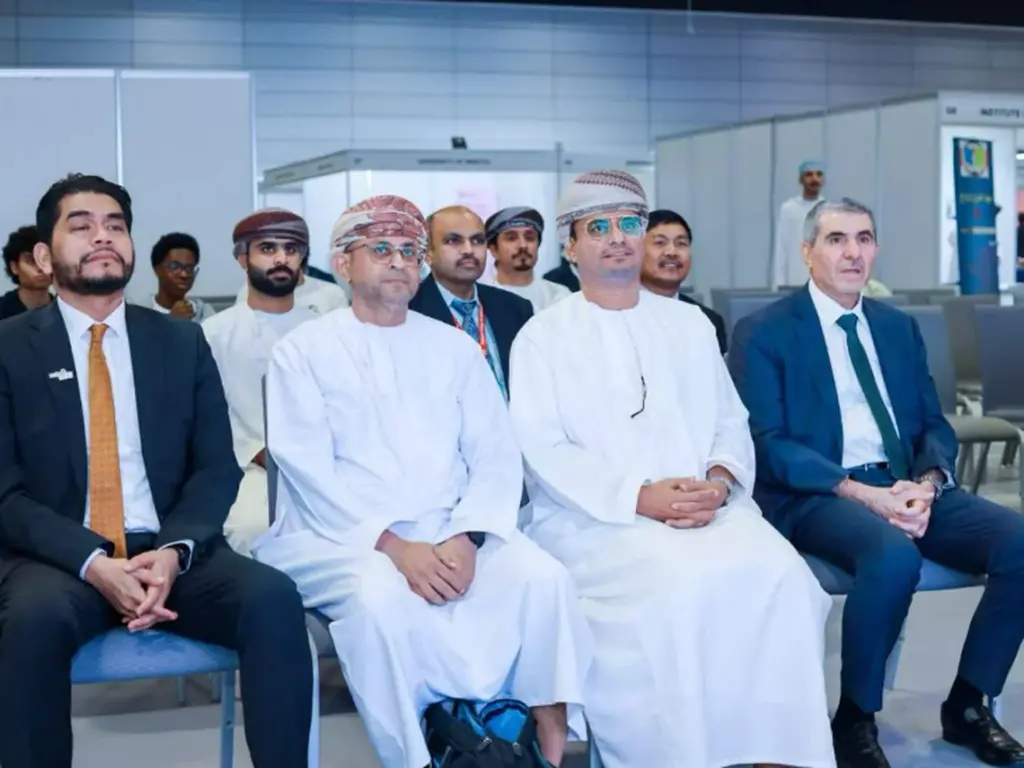
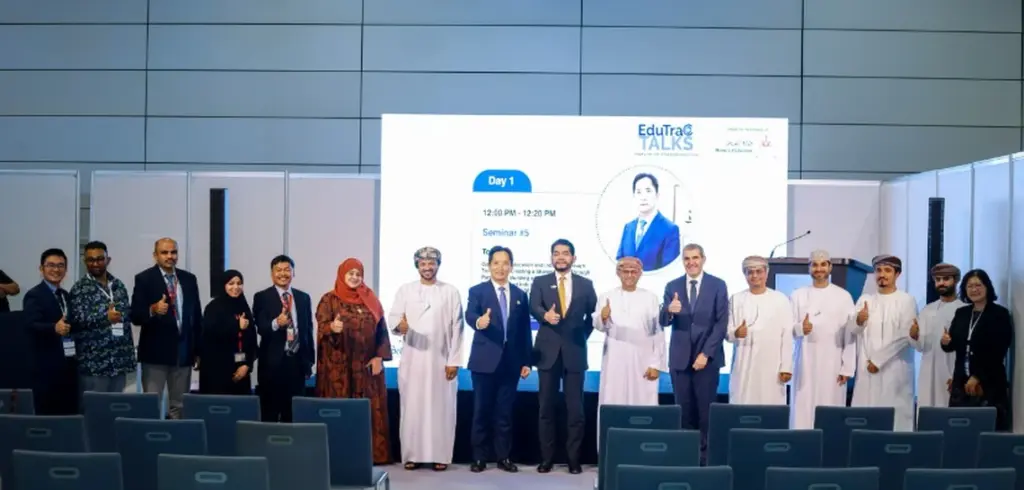
KLUST’s participation in Edutrac Oman 2026 provided opportunities to engage with government representatives, educational institutions and industry stakeholders.
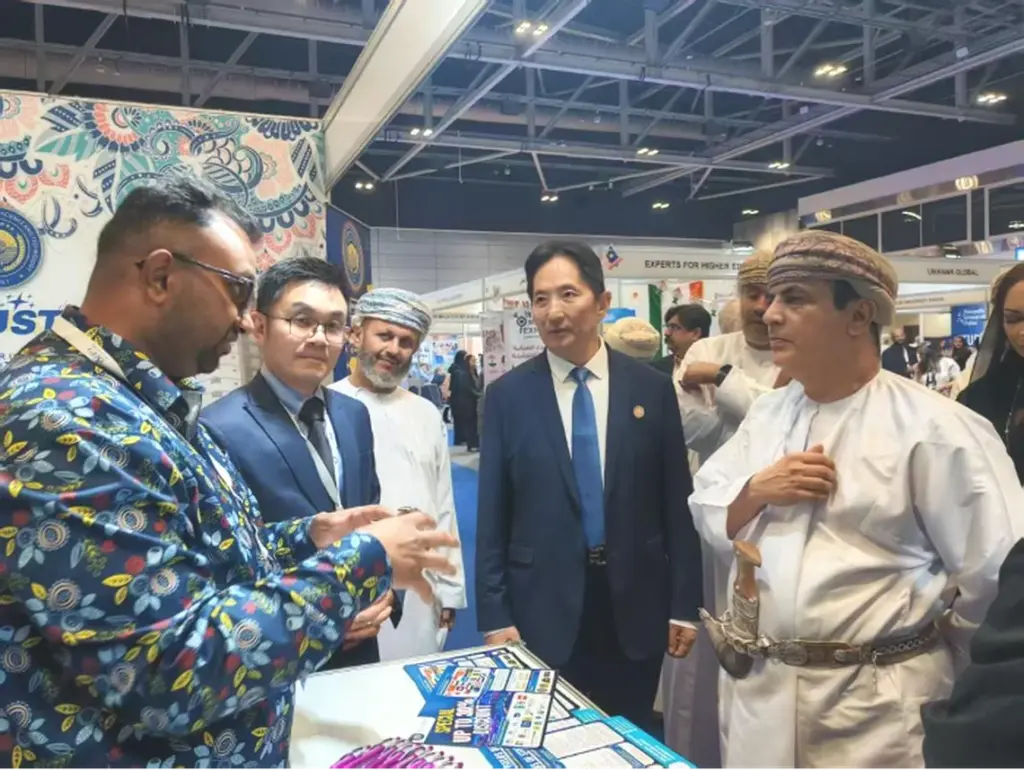
Senior officials from Oman’s Ministry of Education visited the university’s exhibition booth to learn about KLUST’s internationalisation strategy and its approach to integrating education with industry. Discussions explored potential cooperation in joint talent development and cross-border research.
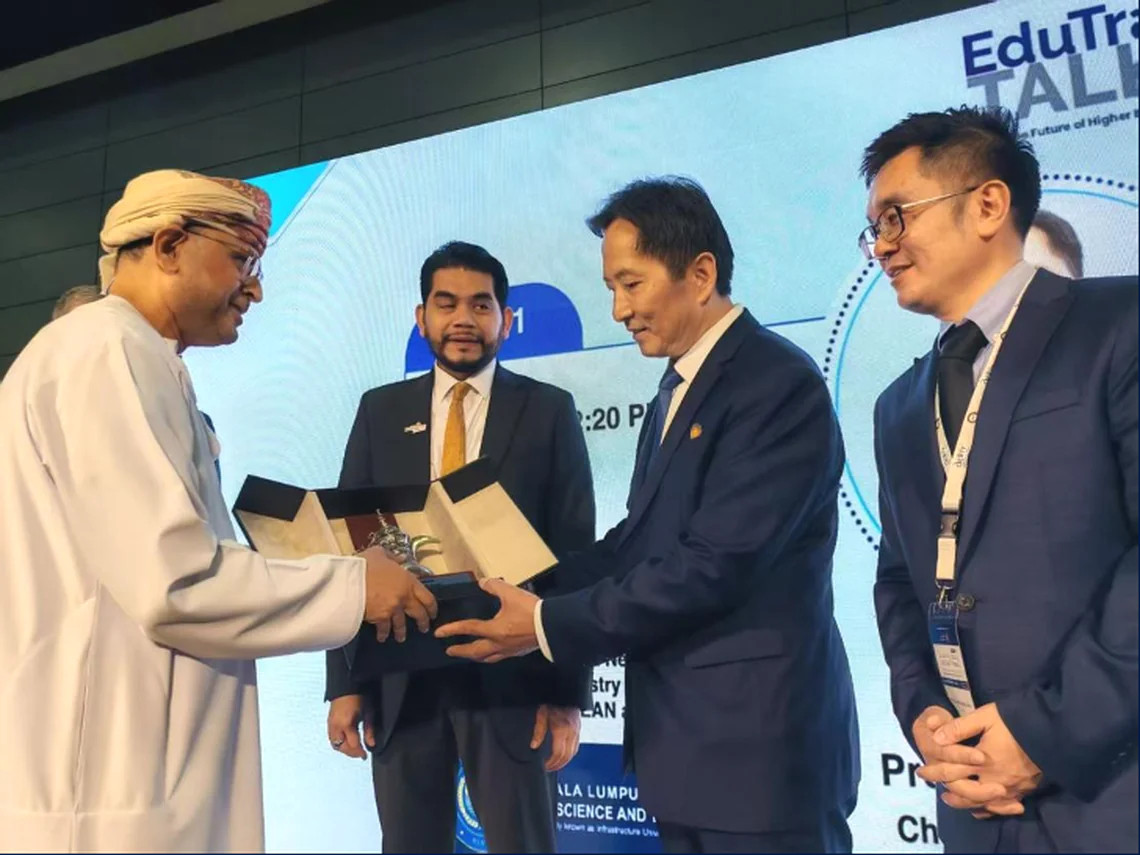
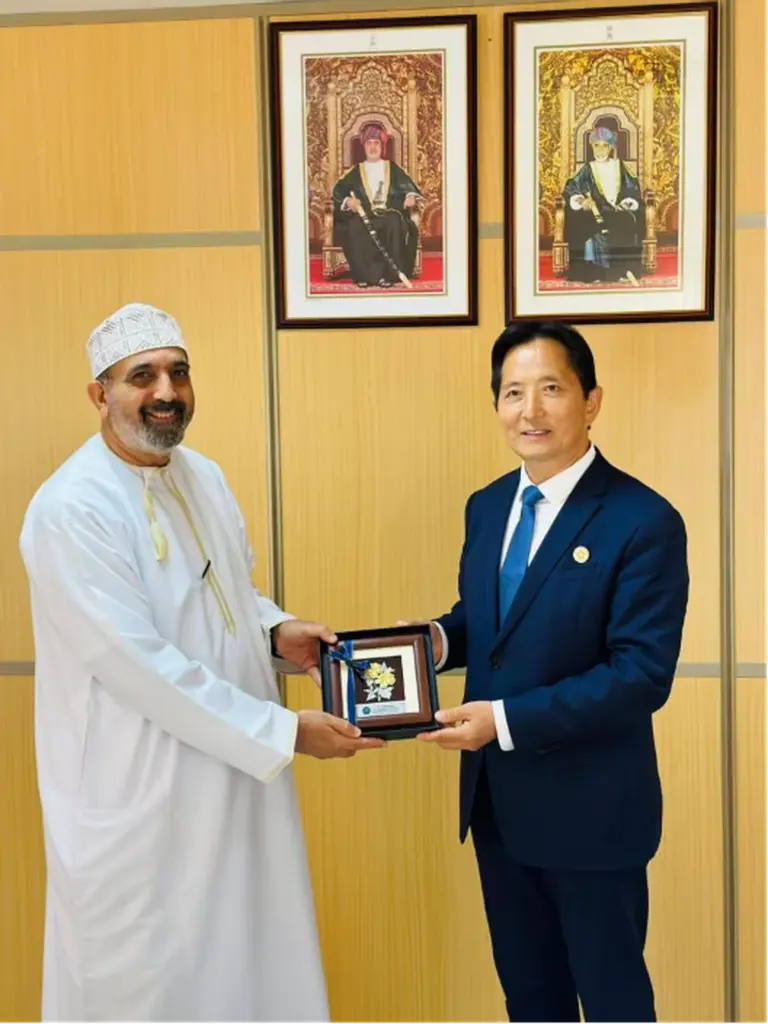
The exhibition also marked the signing of a Memorandum of Understanding (MoU) between KLUST and International Business Execution (IBE), Oman. The agreement was signed by Professor Chen Xiaoyun, Chairman of the Board of KLUST, and Dr. Rashid Abdullah Al Nasri, Chairman of the Board of IBE, in the presence of His Excellency the Malaysian Ambassador to the Sultanate of Oman.
Dr. Al Nasri, who is also a KLUST alumnus and an economic adviser to the King of Oman, represents an important connection between the university’s alumni community and the wider professional environment in Oman.
The MoU establishes a basis for the two organisations to explore cooperation in executive training, professional development, consultancy, applied research, corporate social responsibility, sustainability, and the exchange of knowledge and expertise.
The agreement reflects a shared interest in identifying practical opportunities to connect academic capabilities with professional and industry requirements. Further collaboration will depend on the identification and development of suitable initiatives by both parties. During the event, KLUST alumni representatives also presented a commemorative gift to Professor Chen, recognising the continuing relationship between the university and its alumni in Oman.
Exploring opportunities aligned with Oman Vision 2040
Professor Chen noted that Oman Vision 2040’s priorities in talent development, technological innovation, economic diversification and sustainability align with KLUST’s internationalisation strategy.
The university aims to explore practical cooperation with Omani government agencies, higher education institutions, businesses and professional organisations. Potential initiatives include joint curriculum development, faculty exchanges and training, student mobility, joint laboratories and industry certification programmes.
The emphasis is on translating international partnerships into tangible outcomes. Through collaborative projects, KLUST seeks to facilitate knowledge exchange, strengthen talent development and create opportunities for education and industry to contribute to shared regional priorities.
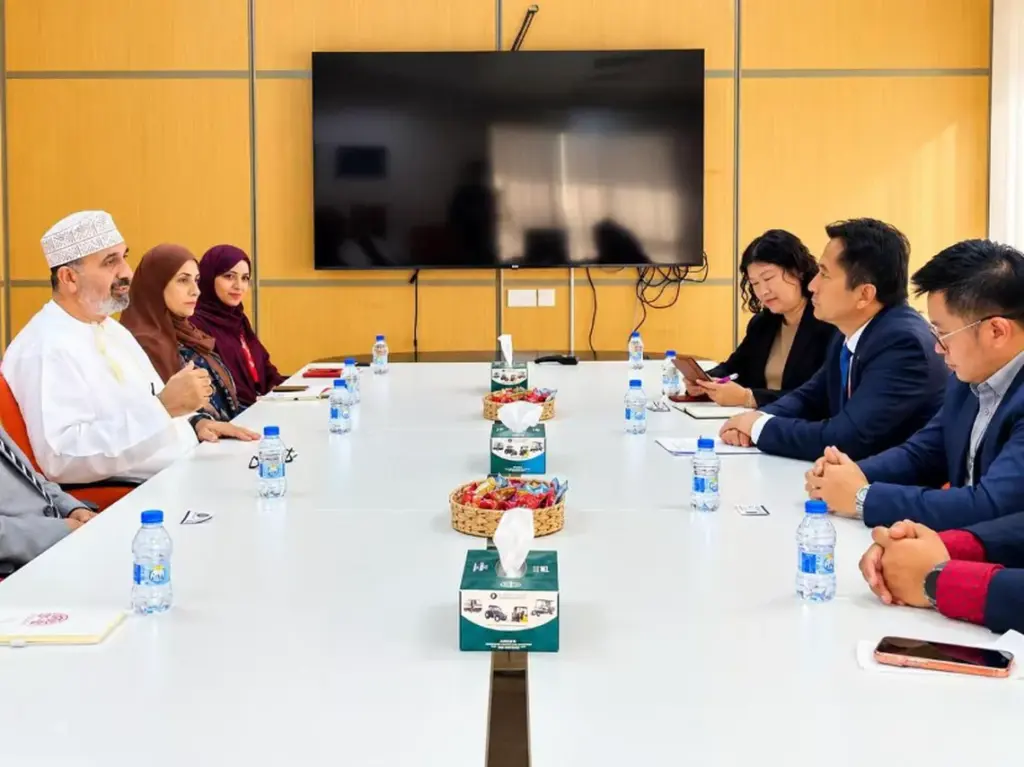
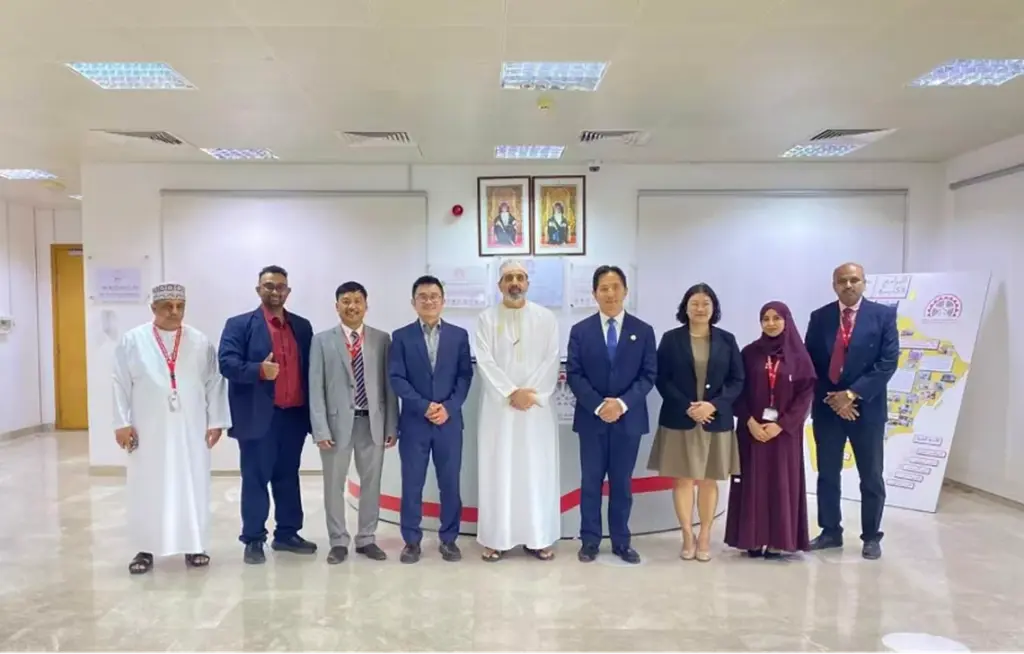
During the visit, Professor Chen and the KLUST delegation also met representatives from Oman’s national telecommunications company, local universities and industry associations. Discussions focused on technology talent development in telecommunications, professional skills training, industry-integrated education, international student development and exchanges between academic staff and students. These engagements established areas for further discussion and potential cooperation.
The delegation also visited KLUST alumni in Oman, reinforcing the university’s relationship with its international alumni community. KLUST currently has nearly 400 enrolled students at one university college in Oman, reflecting an existing educational connection between the university and the country. The university’s engagement with local institutions and professional organisations provides opportunities to explore how these connections can be further developed.
Building international connections for the future
KLUST’s participation in Edutrac Oman 2026 reflects its broader commitment to expanding its international presence and strengthening connections across China, Malaysia, ASEAN and Oman.
By integrating education with technology and industry, the university aims to explore collaborative approaches to talent development, applied research and innovation that respond to regional needs.
The visit also reinforced the importance of sustained engagement with educational institutions, industry partners, government representatives and alumni in building a more connected international education ecosystem.
As Professor Chen emphasised, the ambition is to enable talent to cross borders, use technology to connect the future, ensure education serves development, and create shared prosperity through cooperation.